
Volkswagen ID.3 GTX: The Hot ID.3, Specs and Speed
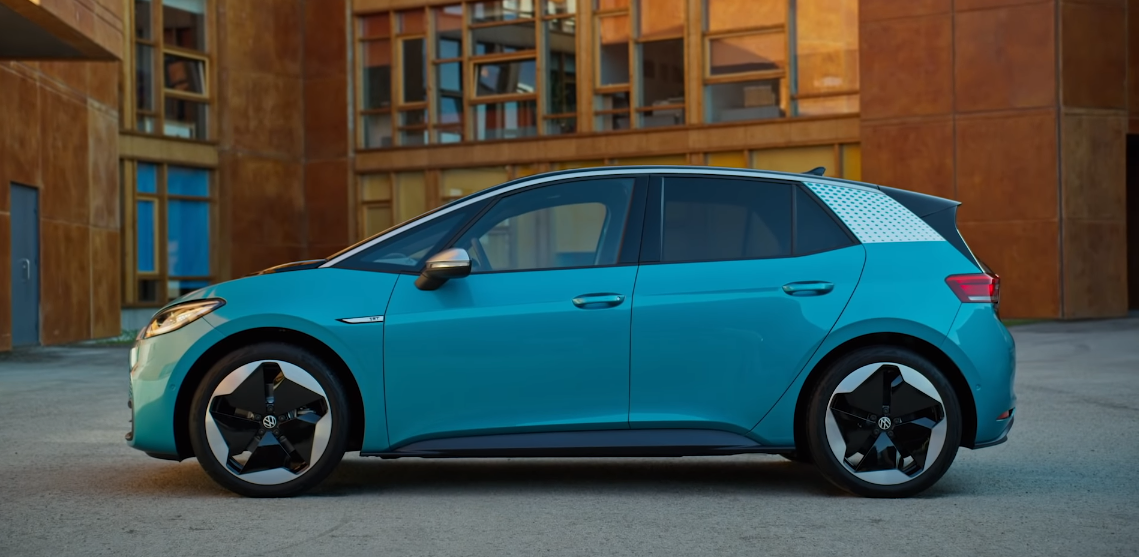
For years, the hot Volkswagen ID.3 existed only as executive talk. When the ID.3 was revealed at the Frankfurt show in September 2019, Volkswagen board member Jürgen Stackmann said that if the R performance brand had a future, it had to be electric, and that something meaningful could arrive within five years. R&D chief Frank Welsch called a performance ID.3 a top priority. By 2020 the project had a shape in the press: an ID.3 R, possibly with all-wheel drive. The car that eventually arrived, in March 2024 and almost exactly on Stackmann’s schedule, was called something else entirely. It is the ID.3 GTX, and it is rear-wheel drive.

The car underneath
The ID.3 was the first production car on the Volkswagen Group’s MEB electric platform, revealed in September 2019 and in production at Zwickau from November that year, with customer deliveries following in 2020; the Transparent Factory in Dresden later became a second production site. It is a Golf-sized hatchback with the motor at the rear. Most versions use batteries of 45, 58 or 77 kWh (net), and the Pro Performance model that anchored the range produces 150 kW: 204 PS, which is 201 hp, a distinction that matters because the PS figure is often quoted as horsepower. The ID.3’s Spanish cousin, the Cupra Born, shares the same platform and hardware.
The badge with a history
GTX was not a new label invented for this car. Volkswagen had already applied it to the all-wheel-drive version of the ID.4 crossover, which is why Welsch’s 2020 remarks treated it as a twin-motor badge. Putting it on a single-motor hatchback in 2024 quietly rewrote that rule, and the GTX family has since spread further across the electric range, including a GTX version of the ID.7 Tourer. The pattern is the one Volkswagen used for decades with GTI: a badge that signals the performance version of whatever the mainstream car happens to be. The difference is that the mainstream car is now electric, rear-driven and built on a platform shared with half the group.
What the bosses said, and what changed
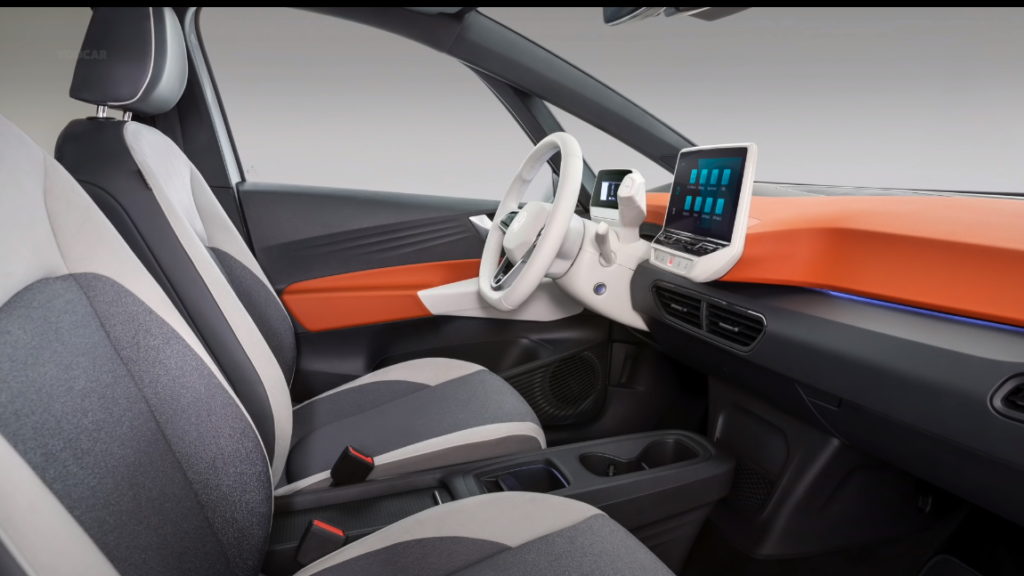
The 2020 version of the story is worth remembering because the production car contradicts part of it. Welsch said in mid-2020 that the ID.3 R was something Volkswagen was looking at, that the market had to be ready, and that the GTX badge would not be used on the ID.3 because he saw it as a twin-motor, all-wheel-drive label. The car that emerged four years later wears the GTX badge and has a single motor driving the rear wheels. Volkswagen’s reasoning is visible in the numbers: a second motor adds weight and cost, and the rear-drive car was already fast enough to justify the badge.
| Model | Volkswagen ID.3 GTX / GTX Performance |
|---|---|
| Motor | Single APP550 motor, rear axle, rear-wheel drive |
| Output | 286 PS (282 hp), 545 Nm; Performance: 326 PS (322 hp) |
| 0–100 km/h | 5.9 sec (GTX); 5.7 sec (Performance) |
| Top speed | 180 km/h (GTX); 200 km/h (Performance) |
| Battery | 79 kWh net; DC charging up to 185 kW |
| Range | Up to 604 km WLTP (GTX) |
| Base ID.3 | 45 / 58 / 77 kWh batteries; Pro Performance 204 PS (201 hp) |
The GTX numbers
The GTX uses Volkswagen’s APP550 rear motor at 210 kW, which is 286 PS or 282 hp, with 545 Nm of torque. It reaches 100 km/h in 5.9 seconds and is limited to 180 km/h. The battery is a 79-kWh net pack, shared with the larger ID models, with DC charging at up to 185 kW and a WLTP range of up to 604 km. Those figures make it quicker than the petrol Golf GTI of the same period while carrying a far larger range rating than early performance EVs managed. Among the MEB cars, it sits above the Volkswagen ID.4 and the Audi Q4 e-tron as the platform’s performance hatchback, a category our best electric cars rankings now treat as established rather than novel.
GTX Performance
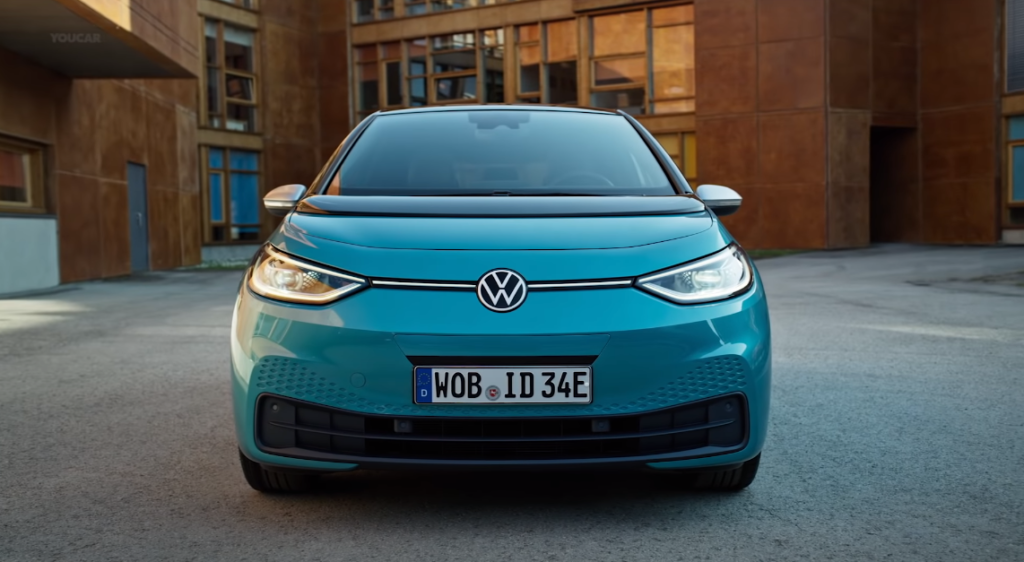
Above the GTX sits the GTX Performance, at 240 kW: 326 PS, or 322 hp, a figure often misprinted as 326 hp in secondary coverage. It cuts the 0–100 km/h time to 5.7 seconds and raises the limiter to 200 km/h. The hardware story is the same single rear motor turned up, which keeps the car’s weight and rear-drive character intact. Neither version revives the R badge that the 2019–2020 discussion assumed, and neither has all-wheel drive. Volkswagen saved both of those decisions for other models.
The ID.3 GTX is the car the rumours promised, delivered four years late and under a different name. The single-motor, rear-drive layout keeps it light and simple, 286 PS is ample in a hatchback of this size, and the 79-kWh battery gives it range the first generation of hot EVs could not offer. Read the PS figures carefully, choose the Performance if the 200 km/h limiter matters to you, and credit Volkswagen with keeping a promise its own executives had publicly hedged.

