
Maserati MC20: Specs, Speed and the Nettuno V6
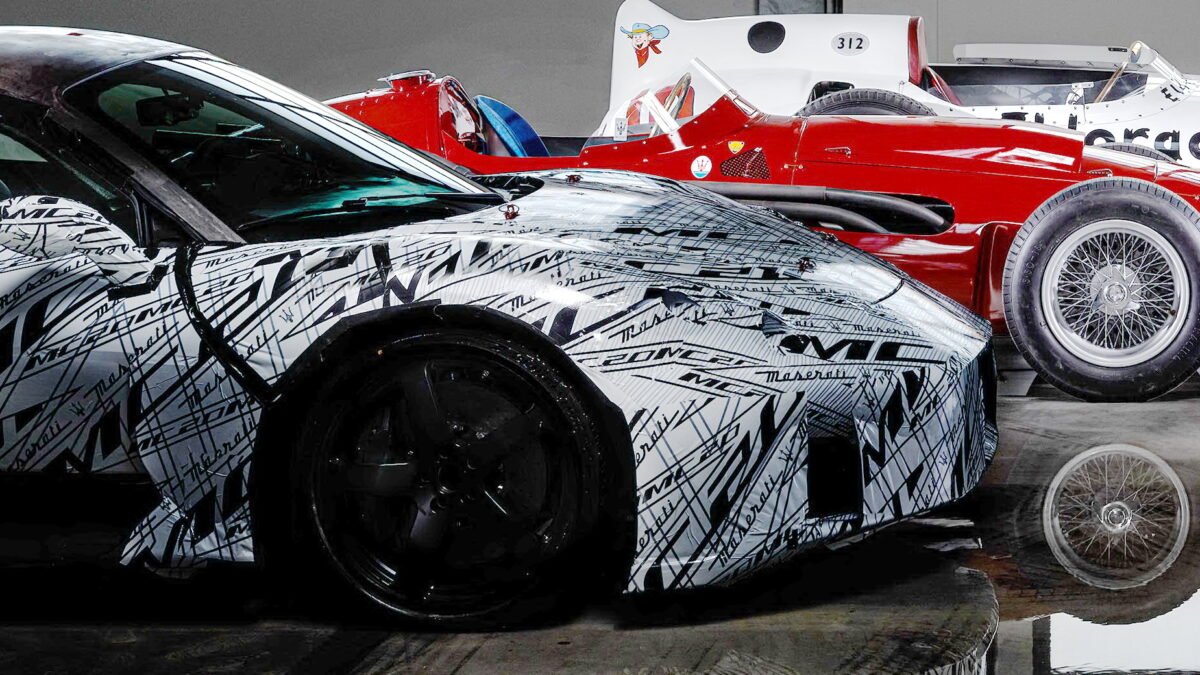
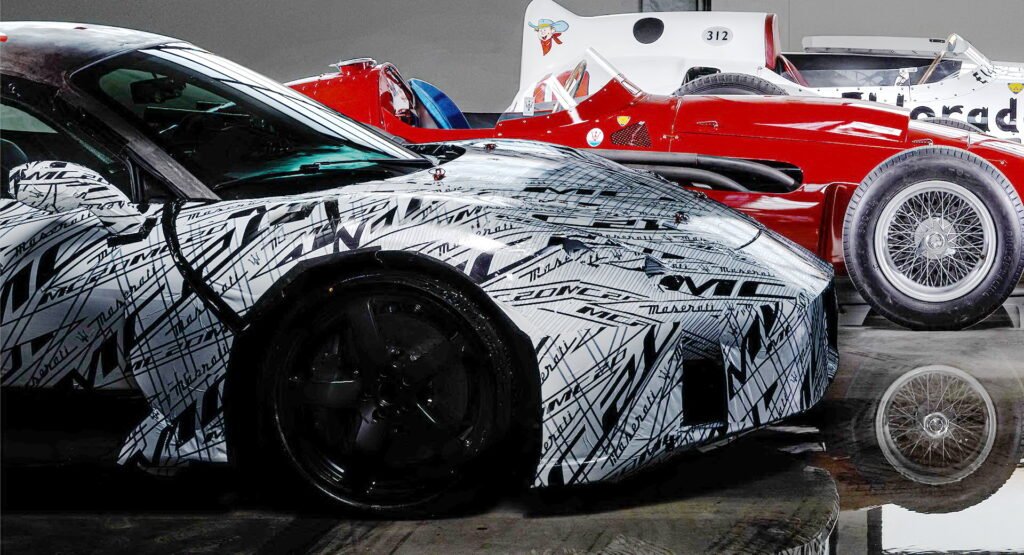
Before the Maserati MC20 had a name the public could buy, it had a dedication. In May 2020, a few weeks after Sir Stirling Moss died at the age of 90, Maserati wrapped an MC20 development prototype in the colours of the Maserati Eldorado, the single-seater Moss raced at Monza in 1958, and photographed it alongside the 250F in which he had won the 1956 Monaco Grand Prix, leading every lap. The production car that followed in September 2020 had a lot to live up to. It mostly managed it.
Why the Moss tribute mattered
The date Maserati chose for the dedication, 13 May, was the anniversary of Moss’s 1956 Monaco win in the 250F. It was a neat piece of storytelling, and a statement of intent: the MC20, its name short for Maserati Corse 2020, was meant to return the company to racing and to the front rank of supercar makers after years of relying on ageing models. The prototype’s livery came from the Eldorado, a car famous in its own right as one of the first single-seaters to carry heavy sponsorship branding. The production car kept the message but dropped the livery, arriving in a range of solid colours instead.

Nettuno: an engine of its own
The MC20’s engine was the real break with the past. For decades Maserati had used Ferrari-built power; the Nettuno is a 3.0-litre twin-turbocharged V6 designed and built by Maserati in Modena, its first in-house engine in more than 20 years. It produces 621 hp at 7,500 rpm (630 PS in European figures) and 538 lb-ft of torque, and its party trick is a pre-chamber ignition system adapted from Formula 1 practice, with a second spark plug and combustion chamber that improve efficiency as well as power. Drive goes to the rear wheels through an eight-speed dual-clutch gearbox.
| Engine | 3.0-litre twin-turbo V6 “Nettuno” |
|---|---|
| Output | 621 hp (630 PS) at 7,500 rpm, 538 lb-ft |
| 0–100 km/h | Under 2.9 sec (Maserati claim) |
| 0–60 mph | 3.2 sec (Car and Driver tested) |
| Top speed | Over 202 mph |
| Gearbox | 8-speed dual-clutch, rear-wheel drive |
| Chassis | Carbon-fibre monocoque |
| Weight | Under 1,500 kg kerb (Maserati claim) |
| Base price at launch | $210,000 (US) |
Carbon fibre everywhere, and one honest argument
The structure is a carbon-fibre monocoque developed with Dallara, the racing constructor based up the road in Parma. The tub itself weighs about 100 kg, and the shape above it was refined over more than 2,000 hours of wind-tunnel work. The butterfly doors are more than theatre: they cut into the sill to make climbing into a carbon-tub car easier than usual. Maserati claimed a kerb weight under 1,500 kg. When Car and Driver weighed its test car, it recorded 3,757 pounds, roughly 450 pounds more than the claim implies, and the gap became part of the car’s story. The MC20 is light by modern supercar standards either way, but the episode is a reminder to read launch figures with care, a lesson that applies to most of the cars in our best sports cars rankings.

Fast, and friendlier than it looks
Maserati claimed 0–100 km/h in under 2.9 seconds and a top speed above 325 km/h, or 202 mph. Car and Driver’s test car managed 3.2 seconds to 60 mph, the launch hampered by wheelspin, and ran the quarter-mile in 11.0 seconds at 131 mph. What testers agreed on was the car’s character: the MC20 rides with unusual civility, its steering is light and precise, and it feels less intimidating than a mid-engined car with this performance has any right to. Against the hybrid Honda NSX, the Maserati is the simpler, more traditional machine; against the McLaren F1 generation of supercars, it is a lesson in how far usability has come.
A cabin with the clutter removed
Inside, Maserati resisted the temptation to fill the car with switches. Two screens, a thick-rimmed wheel with the starter button and drive-mode dial on it, and a short row of buttons for the gearbox are nearly all there is. The dial selects Wet, GT, Sport and Corsa modes, with an ESC-off setting for the committed. Carbon fibre and Alcantara cover most surfaces. It is a calm place to sit, and deliberately so: the drama in this car is saved for the doors and the engine note. The price at launch in the US was $210,000, undercutting most of the mid-engined establishment, including the Aston Martin Vanquish class of front-engined flagships.
The MC20 gave Maserati something it had lacked for a generation: a supercar with its own engine, its own carbon chassis and a credible claim on the class leaders. The weight claim needs an asterisk and the tested acceleration trails the brochure, but the car itself is light, fast, beautiful and easy to live with. The Moss tribute was not just marketing. It was a promise, and the MC20 kept most of it.


