
Toyota Mirai: The Second-Generation Hydrogen Sedan
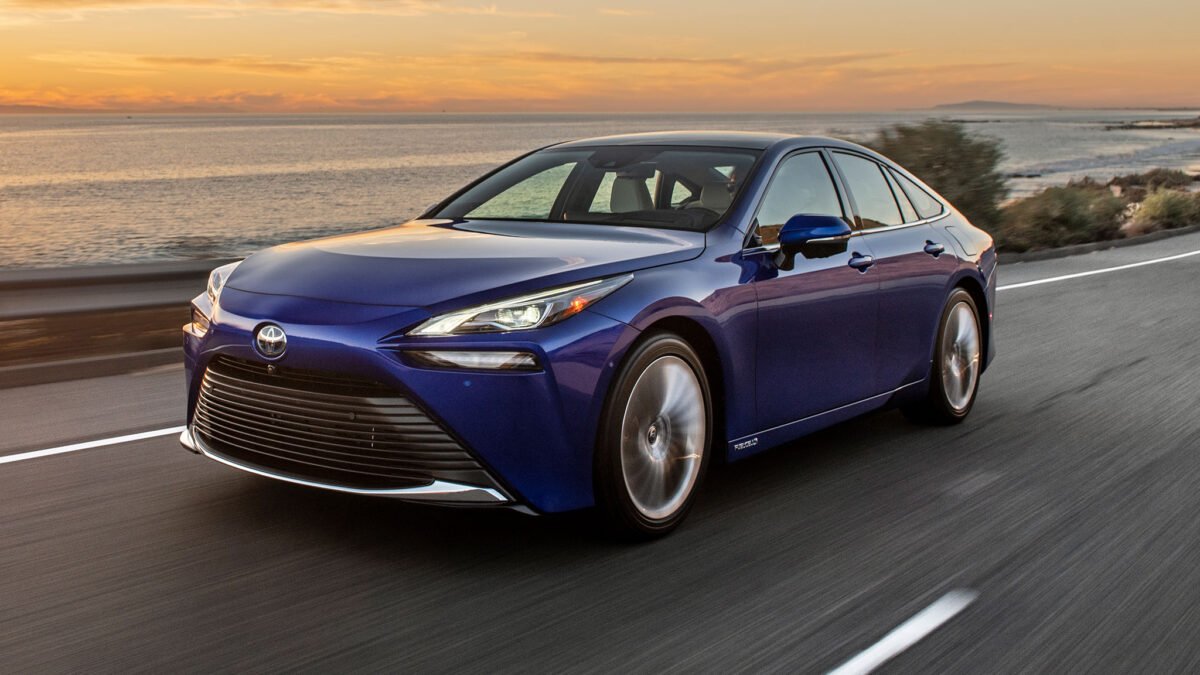
When Toyota launched the first Mirai in 2014, it was a proof of concept that happened to be for sale: the world’s first mass-produced hydrogen fuel cell car, front-wheel drive, with room for only four because its two hydrogen tanks took up so much space. The second-generation car, launched in Japan on 9 December 2020, was a complete rethink. Toyota moved the Mirai onto the GA-L platform it shares with the Lexus LS, switched it to rear-wheel drive, gave it a fifth seat and restyled it as a long-bonnet luxury saloon that people might buy for reasons beyond its powertrain. The original version of this post compared the new car with the Tesla Model S. The comparison was fairer than it sounded, because the Mirai’s whole pitch is electric driving without the charging cable: a full tank in minutes and range to rival the best battery cars of the day.
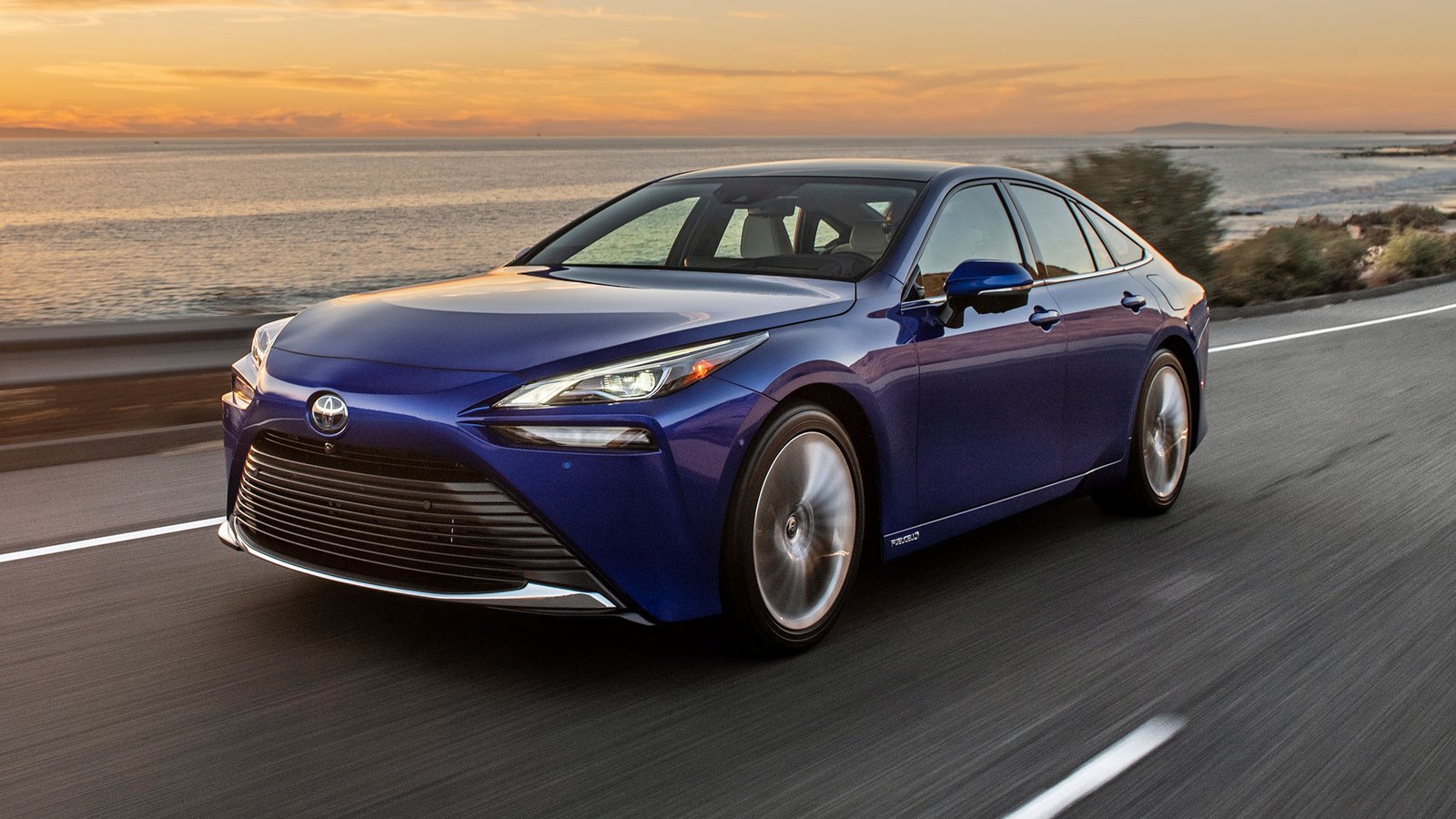
A Lexus platform and a new shape
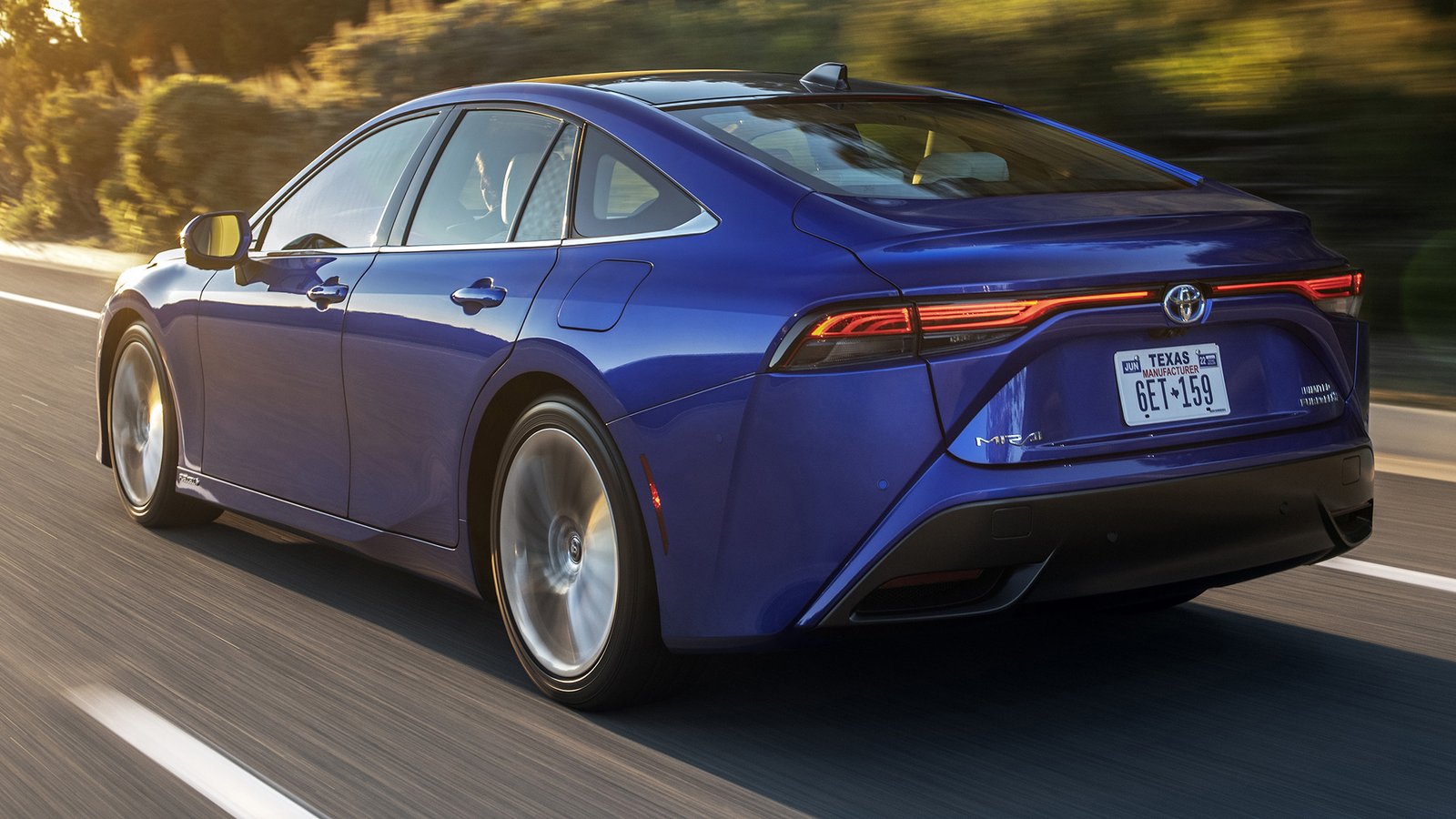
The GA-L architecture is Toyota’s flagship rear-drive platform, and it transforms the Mirai’s stance. The car is 4,975 mm long with a 2,920 mm wheelbase, proportions the old front-drive car could never have managed. The fuel cell stack sits under the bonnet, the electric motor and drive battery are at the rear, and Toyota quotes an even 50:50 weight distribution between the axles. Three hydrogen tanks, one of them using the floor tunnel the platform provides, are packaged around the cabin rather than through it, which is how the second car gains the fifth seat its predecessor lacked. It is the same platform strategy Toyota applies across its electrified range, from the Highlander hybrids to the plug-in technology it later lent to the Suzuki Across: proven hardware underneath, unfamiliar technology on top.
More hydrogen, more range
The fuel cell system itself was comprehensively reworked. The new stack produces a maximum of 128 kW, the electric motor delivers 134 kW (182 PS) and 300 Nm of torque, and a compact lithium-ion battery replaces the old nickel-metal hydride unit as the buffer between stack and motor. Hydrogen capacity rises by about a fifth, from 4.6 kg in the first car to 5.6 kg across the three tanks, stored at 700 bar. Combined with roughly ten per cent better fuel efficiency, that takes the Japanese-market cruising range to 850 km for the G grade on Toyota’s WLTC-based calculation, about 30 per cent further than the old car’s 650 km. Refuelling takes about five minutes at a hydrogen station. Japanese prices at launch ran from 7.1 million yen for the G grade to 7.9 million yen for the Z, undercutting the first-generation car’s launch price despite the bigger, better equipped body.
Two party tricks come free with the technology. Because the fuel cell consumes filtered air, Toyota fitted an air purification system that cleans the air the car breathes as it drives, and the Mirai can also work as an emergency power source, supplying electricity from its hydrogen supply through an external power outlet when the grid goes down. Neither feature sells a car on its own, but both underline how thoroughly Toyota rethought the package around the powertrain rather than simply installing a better stack.
| Platform | GA-L (shared with the Lexus LS); rear-wheel drive |
|---|---|
| Dimensions | 4,975 mm long; 2,920 mm wheelbase; five seats |
| Fuel cell stack | Maximum output 128 kW |
| Electric motor | 134 kW (182 PS); 300 Nm of torque |
| Hydrogen storage | Three tanks, 5.6 kg at 700 bar (first generation: 4.6 kg) |
| Range | 850 km (G grade, Japanese WLTC-based figure); EPA up to 402 miles (XLE) |
| Refuelling | About five minutes |
| Prices at launch | Japan: 7.1 to 7.9 million yen; US: $49,500 (XLE) to $66,000 (Limited) |
The American numbers, and the catch
In the United States the second-generation Mirai was priced from $49,500 in XLE trim, with the Limited at $66,000. The EPA rated the XLE at up to 402 miles of range, with the Limited at 357 miles on its larger wheels, figures no battery-electric saloon of 2021 could match at the price. Toyota quoted 0 to 60 mph in 9.2 seconds, a reminder that the Mirai is tuned for refinement rather than speed. The catch is the same one that has followed the car since 2014: hydrogen stations. In America the Mirai has only ever been sold in California, because that is where the refuelling network exists, and Toyota’s parallel bet on hybrids, visible in cars like the Sienna and the Venza, has always been the technology it can sell everywhere, today.
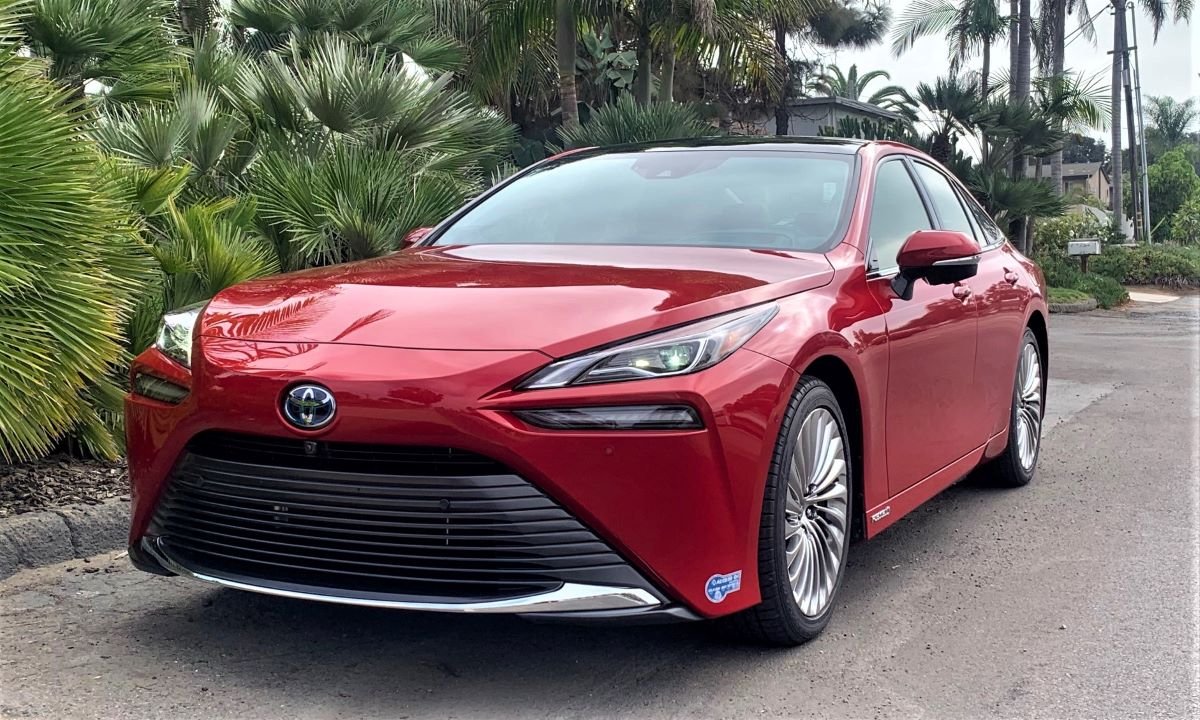
As engineering, the second-generation Mirai is a triumph: a handsome, properly luxurious rear-drive saloon that travels 850 km on a tank of hydrogen, refuels in minutes and emits nothing but water. As a product, it remains hostage to infrastructure that barely exists outside Japan and California. Toyota knew that and built it anyway, partly as technology insurance and partly as a statement. Buyers in the right postcode get one of the most interesting cars of its decade. Everyone else gets to watch, which is a shame, because the car itself deserves a wider audience.

