
Volkswagen ID.4: The Electric SUV Built for the World
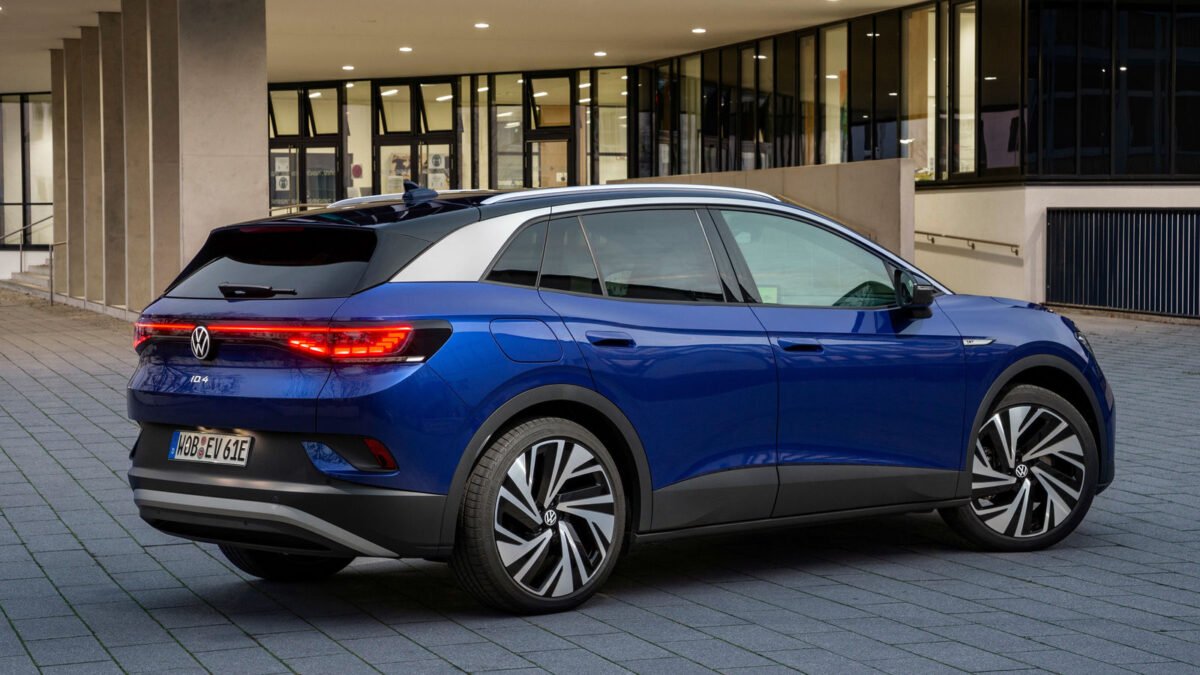
Through the middle of 2020, spy photographers kept catching a compact SUV prototype wearing an unusually dishonest disguise: fake panels and a false grille styled to make it look like a new Opel. Underneath the costume was the most important Volkswagen of the electric era. The ID.4, revealed in production form on 23 September 2020, was the company’s first fully electric SUV and its first world car on the MEB electric platform, designed from the outset for Europe, China and North America alike. Volkswagen aimed it squarely at the compact SUV class, the largest market segment in the world, and the strategy worked well enough for the car to be named World Car of the Year for 2021.
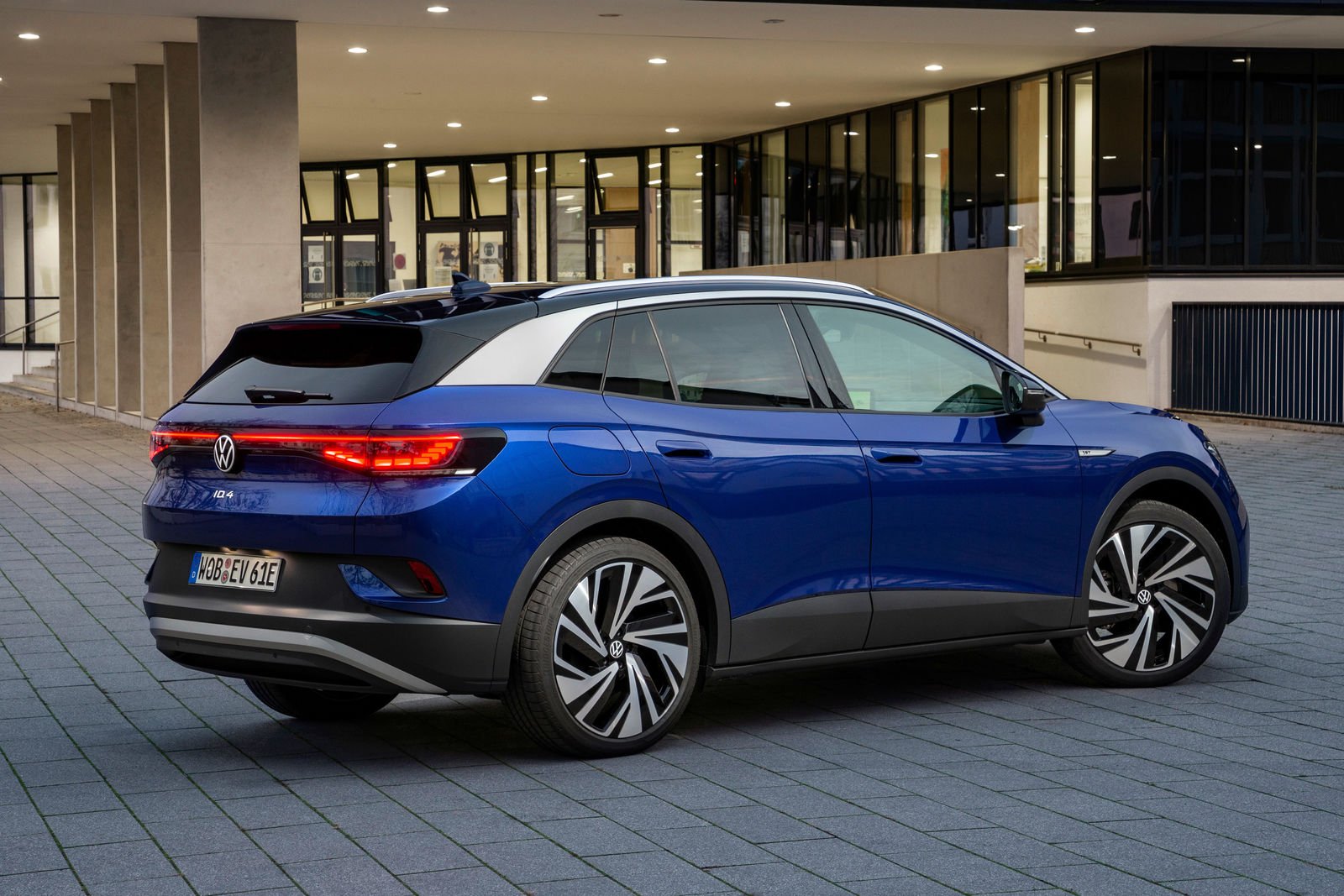
One motor at the back, 520 km of range
The launch specification was deliberately simple. A single electric motor on the rear axle produces 150 kW (204 PS) and 310 Nm of torque, enough for 0 to 100 km/h in 8.5 seconds and a top speed limited to 160 km/h. The battery sits flat beneath the passenger compartment, keeping the centre of gravity low, and in its largest form stores 77 kWh of usable energy for a WLTP range of up to 520 km; the pre-configured ID.4 1ST and 1ST Max launch editions, both with the big battery, were rated at around 490 km. A smaller 52 kWh battery followed in the entry-level ID.4 Pure at the beginning of 2021, priced under 37,000 euros in Germany with a range of up to 340 km. German buyers paid 49,950 euros for the ID.4 1ST and 59,950 euros for the 1ST Max, while in the United States the ID.4 started at 39,995 dollars before incentives.
Charging, space and everyday numbers
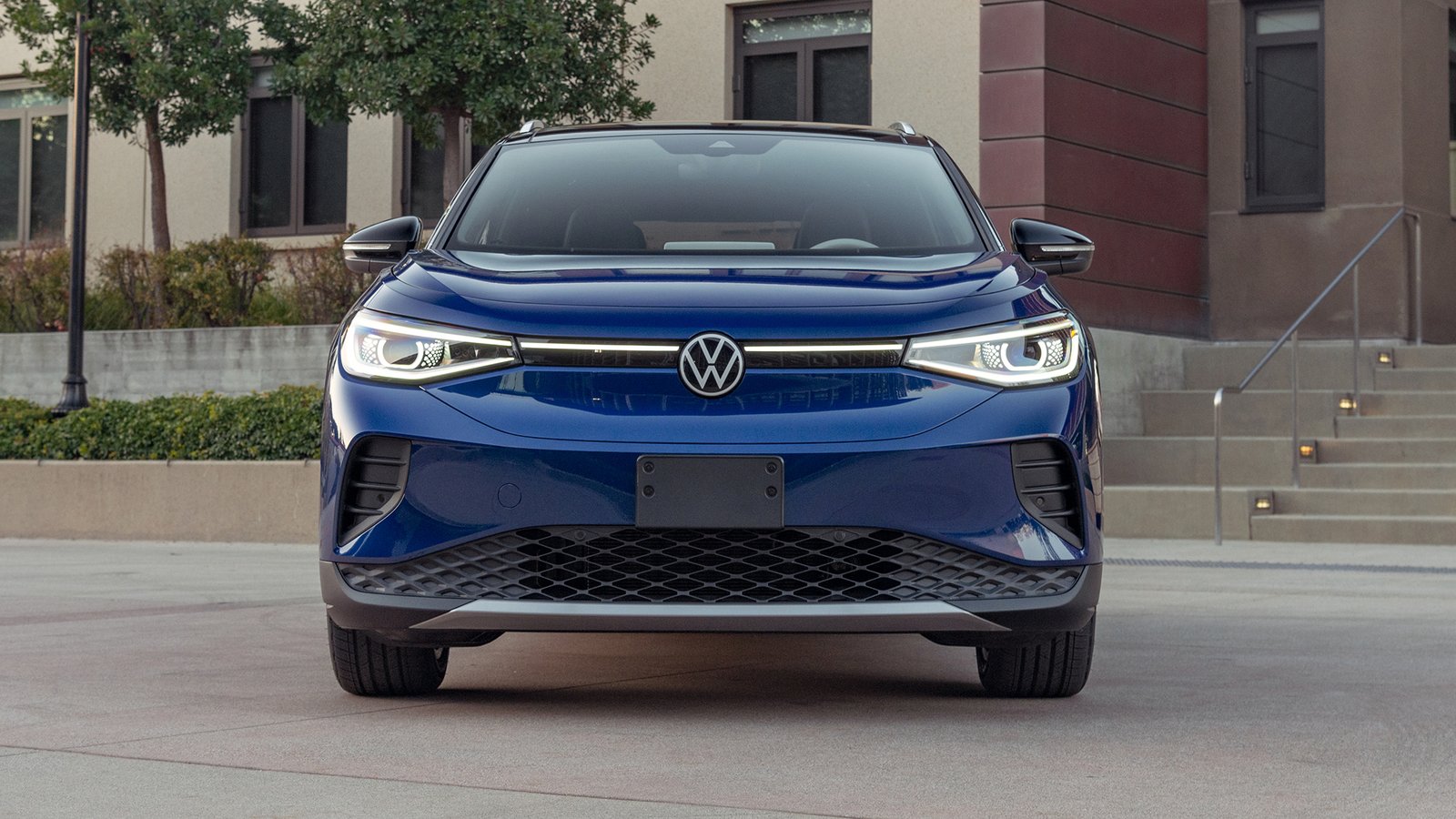
At a DC rapid charger the ID.4 accepts up to 125 kW, which Volkswagen equates to roughly 300 km of range added in about 30 minutes; at home or on a public AC post it charges at up to 11 kW. The body is about 4.58 metres long on a 2,765 mm wheelbase, proportions the flat MEB floor turns into cabin space that embarrasses similarly sized petrol crossovers, and the boot holds 543 litres behind the rear seats or 1,575 litres with the backrests folded to roof height. Five seats, a high driving position and that luggage figure put the ID.4 in direct contention with the electric crossovers then arriving from every rival group, among them its own MEB cousin, the Audi Q4 e-tron, and early movers such as the Polestar 2.
| Platform | MEB modular electric drive matrix; world premiere 23 September 2020 |
|---|---|
| Motor | Rear-mounted electric motor, 150 kW (204 PS), 310 Nm |
| Battery | 77 kWh usable (52 kWh in the ID.4 Pure) |
| Range | Up to 520 km (WLTP) with 77 kWh; up to 340 km with 52 kWh |
| Performance | 0-100 km/h 8.5 s; top speed 160 km/h |
| Charging | DC up to 125 kW (about 300 km in 30 minutes); AC up to 11 kW |
| Dimensions | About 4.58 m long, wheelbase 2,765 mm |
| Luggage | 543 litres, 1,575 litres with rear seats folded |
| GTX flagship | Dual motor, 220 kW (299 PS), 0-100 km/h 6.2 s, 180 km/h, up to 480 km (WLTP), from 50,415 euros in Germany |
| Prices at launch | USA from 39,995 dollars; Germany: ID.4 1ST 49,950 euros, 1ST Max 59,950 euros |
The GTX adds a second motor and a famous badge
In April 2021 Volkswagen added the flagship the range had been missing. The ID.4 GTX combines the rear motor with an asynchronous motor on the front axle for electric all-wheel drive and a maximum output of 220 kW (299 PS). It reaches 100 km/h in 6.2 seconds, a tenth faster than the Golf GTI of the day, and its top speed rises to 180 km/h, while range with the same 77 kWh battery is quoted at up to 480 km. GTX was positioned as the electric continuation of the GTI, GTD and GTE performance lines, and at 50,415 euros in Germany it sat above the single-motor cars without disturbing their value story. The badge has since spread across the ID range, including the ID.3 GTX hatchback.
Why the ID.4 mattered
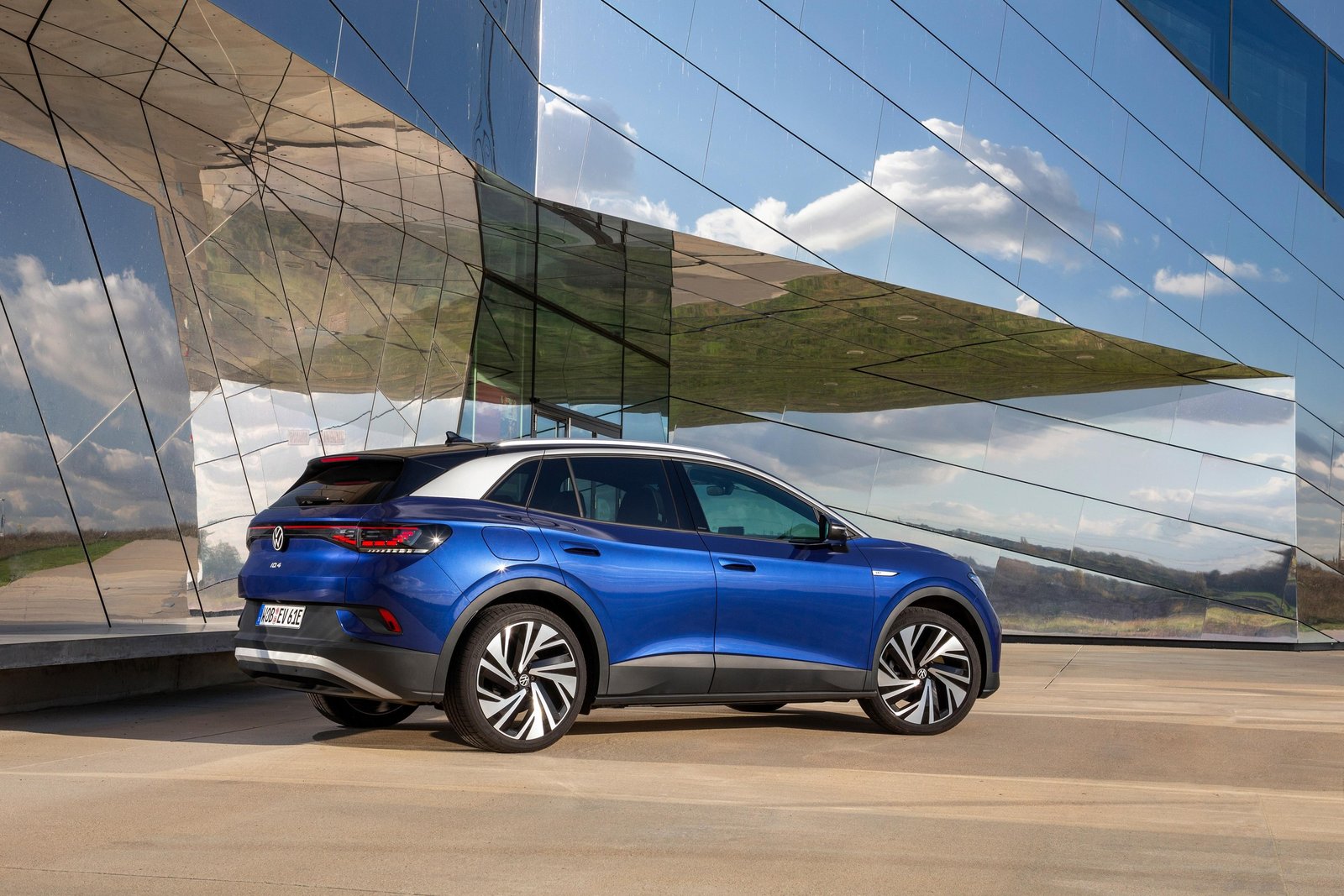
The ID.4 was never the fastest, longest-legged or most glamorous electric car of its moment, and that was the point. Volkswagen built the electric equivalent of the Tiguan: sensibly priced, properly spacious, easy to charge and sold on every continent, with production in Germany, China and, from 2022, the United States. The disguised prototypes of 2020 were hiding a car intended to be ordinary in all the ways that make a model a best-seller, and the World Car of the Year title suggests the industry understood exactly what Volkswagen had done.
Judged as a family SUV that happens to be electric, the ID.4 is hard to fault: 543 litres of boot space, up to 520 km of range, 125 kW charging and a price that started below 40,000 dollars in the US. The single-motor car is brisk rather than quick, and the cabin’s touch-sensitive controls divided opinion from day one, but the GTX answers the performance question and the basics were right from the start. This was the car that took electric motoring to the segment where the money is.


