
Cupra Born: From SEAT Concept to Electric Hot Hatch
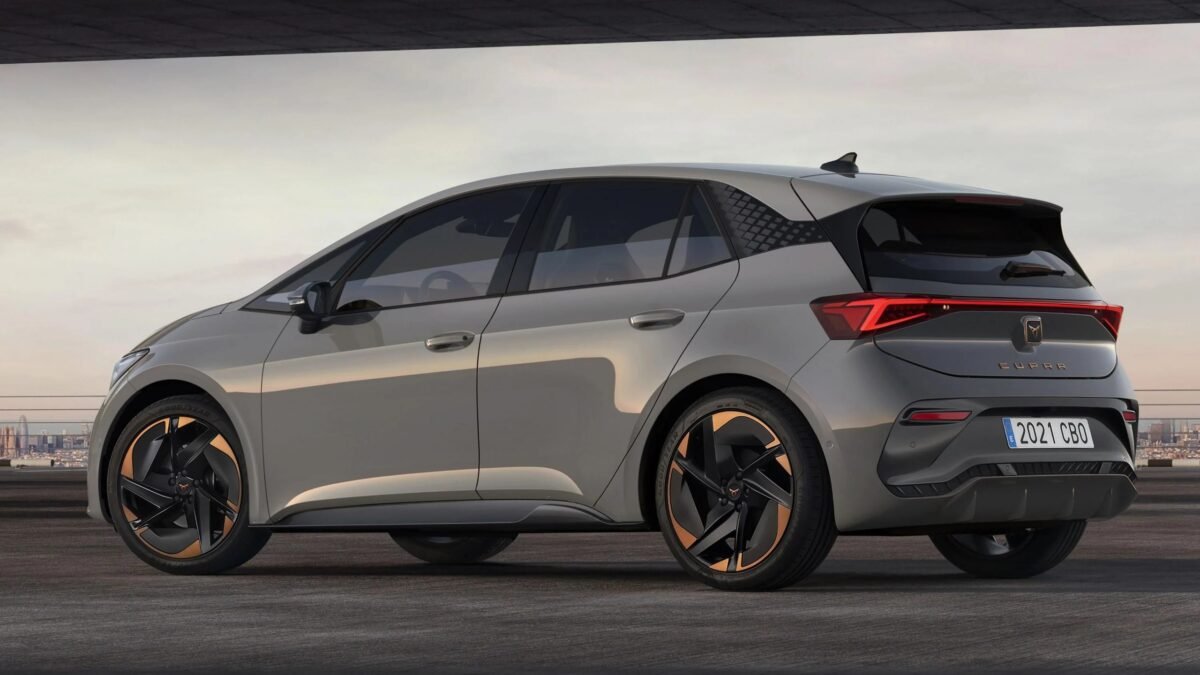
The Cupra Born had an unusual childhood. It was unveiled at the 2019 Geneva motor show as the SEAT el-Born, a near-production concept named after the El Born neighbourhood of Barcelona, with a 62 kWh battery, a claimed 420 km of WLTP range and a 150 kW motor good for 0 to 100 km/h in 7.5 seconds. Then, in July 2020, SEAT announced that the car would not wear a SEAT badge at all. It would be launched instead as the first all-electric model from Cupra, the performance brand spun out of SEAT in 2018. The production Cupra Born was revealed in May 2021 and entered production at Zwickau in Germany that September, built on the same line as the Volkswagen ID.3 whose platform it shares. The news this post originally reported, the badge swap, turned out to be the making of the car.
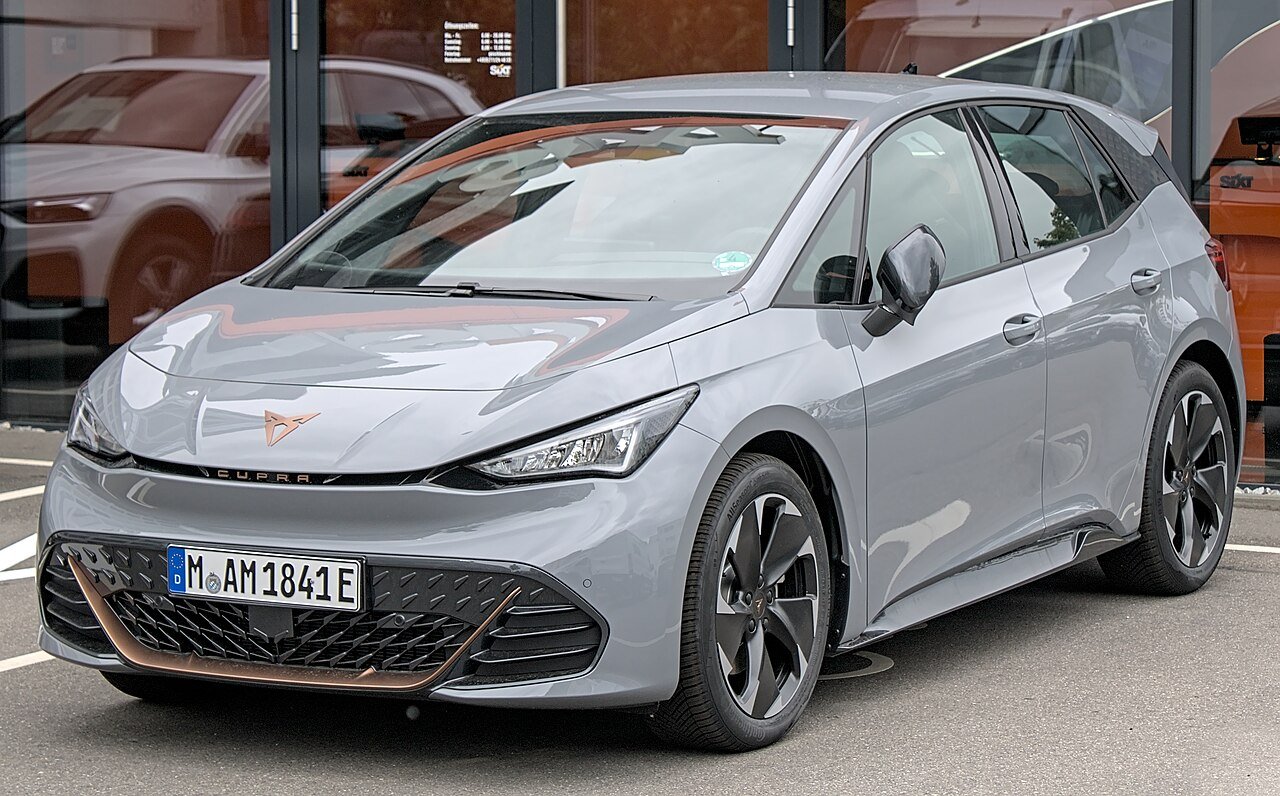
Why the badge changed
The logic was commercial rather than technical. Cupra needed an electric flagship to prove the young brand was more than a trim level, and SEAT’s mainstream range was in no hurry to go electric. Giving the el-Born to Cupra let the group charge more for it, dress it in copper detailing and sharper bumpers, and aim it at buyers who might otherwise have bought a hot hatch. The name was shortened from el-Born to Born, the SEAT grille disappeared, and the interior gained bucket seats and Cupra’s copper accents. Underneath, nothing about the move hurt the engineering: the car kept the MEB platform, the rear-mounted motor and the low, central battery pack that the concept had promised. It also put clear water between the Born and its Volkswagen cousin, the Volkswagen ID.3 GTX, which chases the same hot-hatch brief with a different personality.
Rear-wheel drive and three batteries
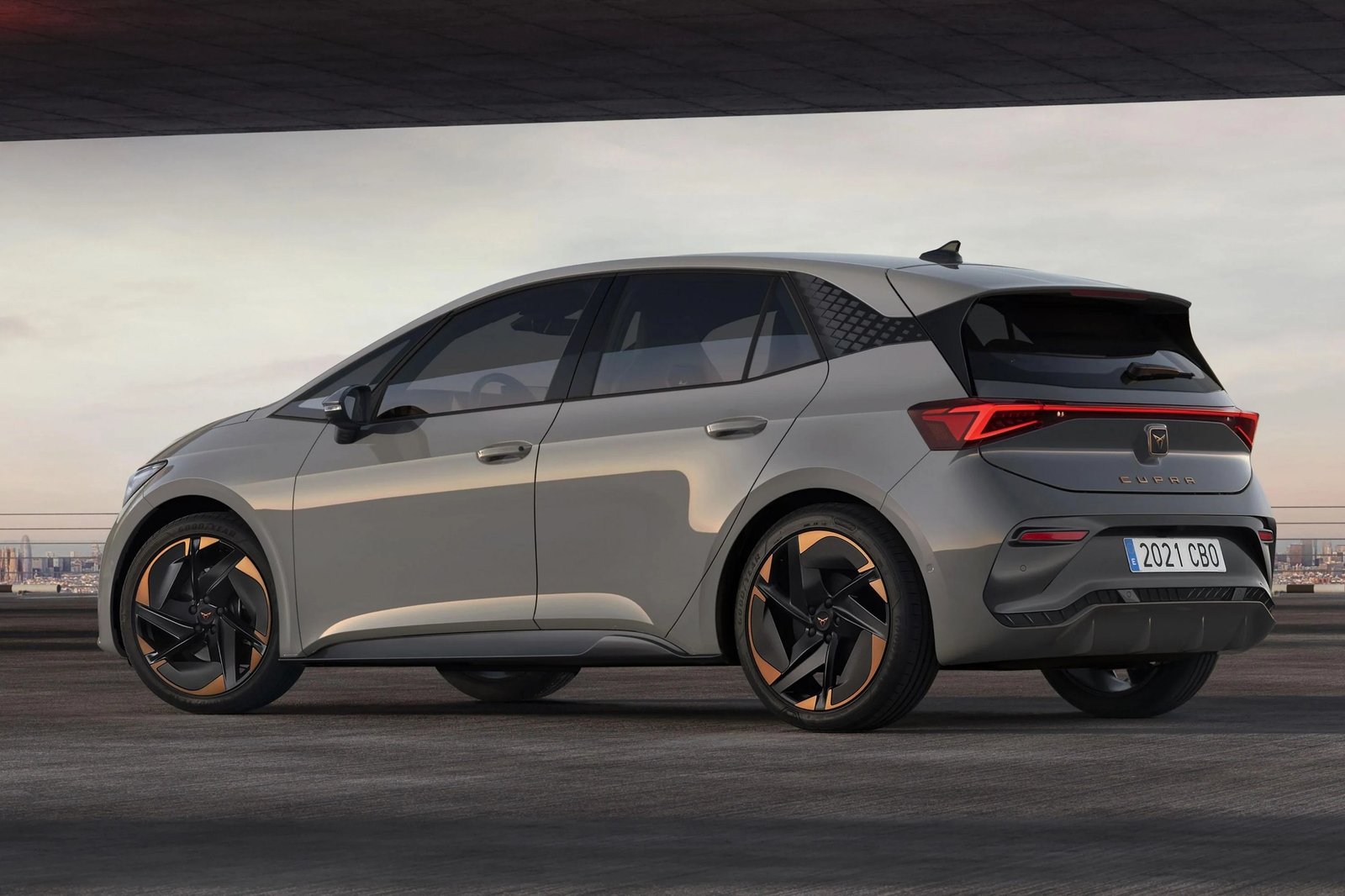
Every Born drives its rear wheels, with the permanent-magnet motor mounted above the rear axle and a single-speed transmission. At launch Cupra offered two standard outputs, 150 PS (110 kW) and 204 PS (150 kW), both with 310 Nm of torque, plus an e-Boost performance pack that raises output to 231 PS (170 kW) when the driver asks for it. Three net battery sizes were offered: 45, 58 and 77 kWh. The headline figures belong to the extremes. The 58 kWh car with e-Boost reaches 100 km/h in 6.6 seconds and covers around 420 km on the WLTP cycle, while the 77 kWh e-Boost version stretches the range to around 540 km and takes 7.0 seconds for the same sprint. The 204 PS car without e-Boost records 7.3 seconds. Charging at a 125 kW point can add 100 km of range in about seven minutes, and Cupra quotes a 5 to 80 per cent charge in as little as 35 minutes. The aluminium battery housing is bolted to the body to add rigidity, and the pack’s position under the floor gives the car a centre of gravity no petrol hot hatch can match.
| Platform | Volkswagen Group MEB; built in Zwickau, Germany |
|---|---|
| Motor | Permanent-magnet motor over the rear axle; rear-wheel drive; single-speed |
| Output | 150 PS (110 kW) or 204 PS (150 kW); e-Boost pack up to 231 PS (170 kW); 310 Nm |
| Batteries (net) | 45, 58 and 77 kWh |
| Range (WLTP) | Around 420 km (58 kWh e-Boost); around 540 km (77 kWh e-Boost) |
| 0 to 100 km/h | 6.6 s (58 kWh e-Boost); 7.0 s (77 kWh e-Boost); 7.3 s (204 PS) |
| Charging | 100 km of range in about 7 minutes at 125 kW; 5 to 80 per cent in about 35 minutes |
| Production | Revealed May 2021; production from September 2021 |
A hot hatch that happens to be electric
Cupra’s pitch was that electrification should not mean sedation, and the Born’s hardware supports it. Rear-wheel drive, a multi-link rear axle shared with the rest of the MEB family and that low battery mass give it a balance most front-driven hatchbacks cannot copy. It competes in a small but growing class of electric cars bought for fun rather than penance, alongside platform relatives like the Audi Q4 e-tron at the sensible end and the Polestar 2 from Sweden. The same MEB toolkit also produced the Volkswagen ID. Buzz, which could hardly look or feel more different, and that breadth is the platform’s real achievement.
The VZ turns up the wick
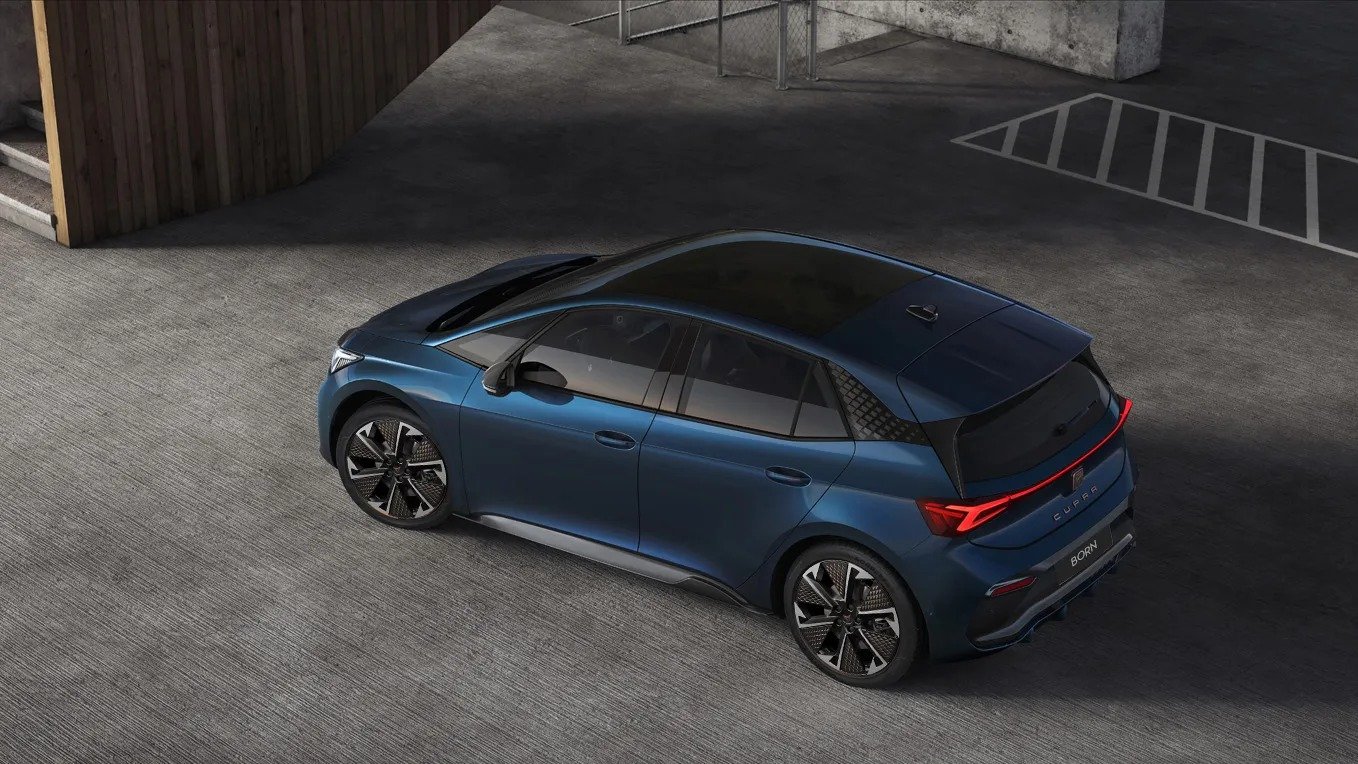
Cupra returned to the Born in 2024 with the VZ, a flagship that pushes the same rear-drive layout considerably harder. Output rises to 240 kW (326 PS) and torque to 545 Nm, which cuts the 0 to 62 mph time to 5.6 seconds and raises the top speed to 124 mph. The VZ uses the largest battery, at 79 kWh net, so the performance does not come at the cost of the long range that made the 77 kWh car appealing. It is the clearest sign yet of where Cupra thinks the Born sits: not as an electric appliance, but as the brand’s hot hatch, full stop.
The Born is the rare badge-engineering story where the badge actually improved the car. As a SEAT it would have been a worthy electric hatchback; as a Cupra it is a distinctive one, with rear-wheel drive, up to 231 PS and a 540 km maximum range wrapped in styling with genuine intent. The July 2020 decision this post reported looked like marketing at the time. In production form it reads as the moment Cupra became a real car maker, and the Born remains the clearest proof that the MEB platform could do character as well as competence.

