





23 Oct 2026
0
Car Insurance Quotes: How to Get the Cheapest Rate (2026)
Car Insurance Quotes: How to Get the Cheapest Rate in 2026
Car insurance quotes vary so wildly that two neighbors can pay thousands of dollars apart for nearly identical coverage. In 2026, the national average for full coverage sits between roughly $2,237 and $2,912 per year depending on the source — Experian puts it at $2,912 annually ($243 per month), NerdWallet at $2,361, and Insurify at $2,237. State-minimum liability-only coverage runs about $648 to $1,584 a year. The good news: rates finally stabilized after the painful 2023–2024 hikes (premiums jumped roughly 17% in each of those years), falling about 6% in 2025.
But “average” doesn’t tell you what you will pay. Your ZIP code, age, driving record, credit score, and the car you drive move your quote far more than any national figure. This guide explains how car insurance quotes actually work, what drives your price up or down, and 10 proven ways to get the cheapest rate without cutting coverage you need.
What a Car Insurance Quote Actually Is
A car insurance quote is an insurer’s estimate of what it will cost to insure you and your vehicle, based on risk. Insurers are predicting the probability you’ll file a claim and how expensive that claim will be. Everything on a quote — the premium, the deductible, the coverage limits — reflects that calculation.
A typical quote breaks down into several coverage parts:
| Coverage type | What it pays for | Required? |
|---|---|---|
| Bodily injury liability | Injuries you cause to others | Yes, in nearly every state |
| Property damage liability | Damage you cause to others’ property | Yes, in nearly every state |
| Collision | Damage to your car from a crash | Required by lender if financed/leased |
| Comprehensive | Theft, fire, weather, animal damage | Required by lender if financed/leased |
| Uninsured/underinsured motorist | Your losses when the other driver lacks coverage | Required in some states |
| Medical payments / PIP | Medical costs for you and passengers | Required in some states |
“Full coverage” is an industry shorthand for liability plus collision and comprehensive. It is not an official policy type, and it doesn’t mean everything is covered — it excludes things like wear and tear, intentional damage, and driving for commercial purposes.
Why Quotes Differ So Much Between Drivers
1. Where you live matters most
Insurance is regulated state by state, and rates reflect local reality: traffic density, accident frequency, theft rates, weather disasters, litigation patterns, and even uninsured-driver rates. The gap is enormous:
| State | Avg. full coverage / year (2026) |
|---|---|
| Vermont | ~$1,383–$1,540 |
| Maine | ~$1,540–$1,550 |
| New Hampshire | ~$1,650 |
| Ohio | ~$1,750 |
| U.S. average | ~$2,237–$2,912 |
| Florida | ~$3,870 |
| Maryland | ~$4,219 |
| New York | ~$4,030 |
| Louisiana | ~$4,296 |
A move from Ohio to Louisiana can literally double your premium for the same car and driving record. That’s why quotes from neighbors can be more useful than national averages.
2. Age and driving experience
Young drivers pay the most. An 18-year-old with full coverage can pay $600 or more per month — roughly three times what a 30-year-old pays. Rates typically drop sharply at 25, then decline gradually and bottom out around ages 50–60, when a clean-record driver might pay closer to $195 per month.
3. Driving record
A single at-fault accident or speeding ticket can raise your premium 20–40% for three to five years. A DUI is far worse, often doubling rates or more, and some insurers will decline to quote you at all.
4. Credit-based insurance scores
In most states, insurers use a credit-based insurance score — a variant of your credit history built for risk prediction. Drivers with poor credit pay some of the highest rates in the country, often double what a driver with excellent credit pays for identical coverage. (A handful of states, including California, Hawaii, and Massachusetts, restrict or ban this practice.)
5. The car you insure
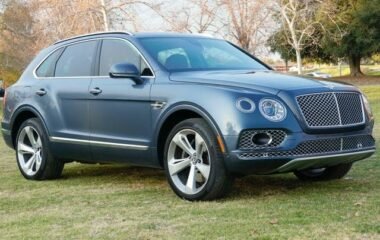
New cars cost more to insure than used cars — they cost more to repair and replace. But it’s not just price: sports cars, large trucks, and luxury vehicles carry higher premiums than comparable sedans because of repair costs, theft rates, and accident statistics. Among EVs, insurance tends to run higher because battery repairs are expensive — something worth factoring in if you’re cross-shopping electric models.
6. Coverage choices and deductible
Raising your deductible from $500 to $1,000 typically cuts collision and comprehensive premiums by 15–30%. Dropping full coverage entirely on an older car can save even more — more on that below.
10 Proven Ways to Get the Cheapest Car Insurance Quote in 2026
1. Shop quotes every 6–12 months — especially now
This is the single highest-impact move. Insurers change their pricing models constantly, and loyalty is rarely rewarded; long-term customers often pay more than new ones. Rates fell about 6% nationally in 2025 after years of hikes, and early 2026 data shows only a 1% uptick in the first half of the year — but 27 states already saw increases, with Connecticut projected for the steepest full-year rise (nearly 15%). If you last shopped during the 2023–2024 spike, your insurer may not have passed the 2025 drop through to you.
Get at least three to five quotes: mix national carriers, regional insurers (which often beat the big names in their home states), and quote-comparison sites. The spread between the highest and lowest quote for the same driver is routinely 30–50%.
2. Raise your deductible
If you can comfortably cover $1,000 out of pocket, raise your collision and comprehensive deductibles from the standard $500 to $1,000. The 15–30% savings usually outweighs the extra $500 risk within a year or two. Keep the savings difference in a small emergency fund so the higher deductible never hurts.
3. Drop collision and comprehensive on older cars
Full coverage on a car worth less than about $4,000 often costs more than it’s worth. Add up your annual collision + comprehensive premium: if it’s more than 10% of the car’s actual cash value, you’re probably overpaying. Keep liability (it’s legally required) and consider dropping the rest — but check your lender first, because financed or leased cars must keep full coverage.
4. Bundle home and auto
Bundling auto with homeowners or renters insurance typically saves 10–20%. Even bundling two cars on one auto policy earns a multi-car discount of up to 25%. If you rent, a renters policy is cheap on its own and unlocks the bundle discount.
5. Ask for every discount you qualify for
Insurers offer far more discounts than they advertise. Run through this checklist when you get a quote:
- Good driver / accident-free: the biggest one, often 20–30%
- Defensive driving course: usually 5–10% (check your state’s approved courses)
- Good student: 10–25% for students under 25 with a B average or better
- Low mileage: pay-per-mile or low-annual-mileage programs reward drivers under ~7,500 miles/year
- Telematics / usage-based: a phone app or plug-in device tracks your driving; safe drivers save 10–30%
- Paperless billing and autopay: small but free, typically 5% combined
- Vehicle safety features: anti-lock brakes, airbags, anti-theft devices, and ADAS features all earn discounts
- Professional, alumni, or military affiliations: many insurers offer affinity discounts — USAA is the classic example for military families
6. Improve your credit-based insurance score
Because credit history is a major pricing factor in most states, paying down credit card balances, avoiding late payments, and keeping old accounts open can lower your insurance quote over time. This is a slow lever, but combined with everything else it compounds.
7. Choose your next car with insurance in mind
Before you buy, run insurance quotes on your shortlist. A midsize sedan can cost hundreds less per year to insure than a sports coupe or luxury SUV at the same price point. If you’re comparing EVs, get quotes early — battery repair costs make some electric models notably pricier to insure.
8. Match coverage to your state’s minimums — then add what you need
Most states require only liability coverage, but minimum limits (often as low as $25,000 per person) are dangerously thin in a serious crash. A common sweet spot is 100/300/100 ($100k per person, $300k per accident, $100k property damage), which costs far less than you’d expect above the minimums. Never buy less than the minimum — uninsured penalties include fines, license suspension, and impounded vehicles.
9. Consider usage-based or pay-per-mile insurance
If you drive under about 10,000 miles a year — or your commute changed since you last bought a policy — pay-per-mile programs (from insurers like Metromile and others) can undercut traditional policies by 30% or more. Telematics programs from the major carriers reward smooth braking, gentle acceleration, and low late-night driving with 10–30% discounts at renewal.
10. Review your policy at every life change
Marriage, moving, a teenager getting licensed (or leaving for college without a car), paying off your loan, retiring, or working from home — each of these can move your rate 10% or more in either direction. A five-minute quote check after any big change keeps you from overpaying silently for years.
How to Compare Quotes Correctly
Comparing quotes is only useful if you’re comparing identical coverage. Before you start:
- Decide your coverage first — liability limits, deductible amounts, and whether you need collision/comprehensive.
- Request the exact same package from every insurer — a cheaper quote with lower limits isn’t a better deal.
- Look beyond price — check complaint ratios (your state insurance department publishes them) and claims satisfaction scores. The cheapest insurer that fights every claim is no bargain.
- Ask about the renewal rate — some carriers quote low to win your business, then raise premiums sharply at the first renewal.
- Time it right — shopping a few weeks before your renewal gives you leverage and avoids lapses in coverage, which themselves raise rates.
Frequently Asked Questions
How much is car insurance per month in 2026?
Nationally, about $186–$243 per month for full coverage and roughly $54–$132 per month for state-minimum liability, depending on the data source. Your state, age, and driving record move the number far more than the national average does.
Why is my car insurance quote so high?
The most common reasons: young age, a recent ticket or accident, poor credit (in most states), a high-cost ZIP code, an expensive-to-repair vehicle, or simply an insurer that prices your profile poorly. Shopping three to five insurers almost always finds a meaningfully cheaper quote.
Is minimum coverage enough?
It’s legal in nearly every state, but minimum limits leave you exposed. If you cause a serious accident, costs above your limits come out of your pocket. For most drivers, 100/300/100 liability is the sweet spot between price and protection.
Do I need full coverage on a paid-off car?
Not necessarily. Once a car is paid off, full coverage is optional. If the car’s value is under about $4,000 and your collision/comprehensive premium exceeds 10% of that value, dropping it is usually the smarter financial move.
How often should I shop for car insurance quotes?
Every 6–12 months, or whenever you have a major life change (move, marriage, new car, teen driver, paid-off loan). Insurers reprice constantly, and the cheapest carrier for you changes with them.
Does getting quotes hurt my credit score?
No. Insurance quote inquiries are soft inquiries and don’t affect your credit score.
Rates cited are 2026 industry averages from Experian, NerdWallet, and Insurify and will differ from your actual quote. Always compare identical coverage when shopping, and check your state’s insurance department for consumer complaint data before buying.