
New Range Rover Sport: V8 Power, 113 km Electric Range
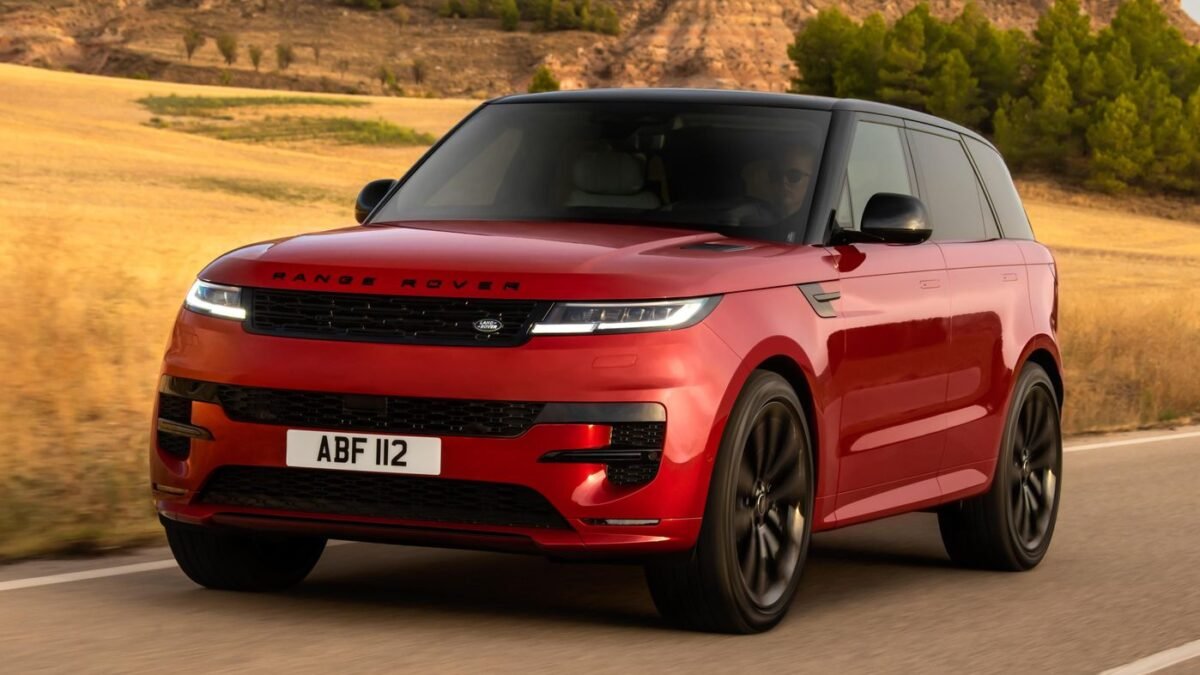
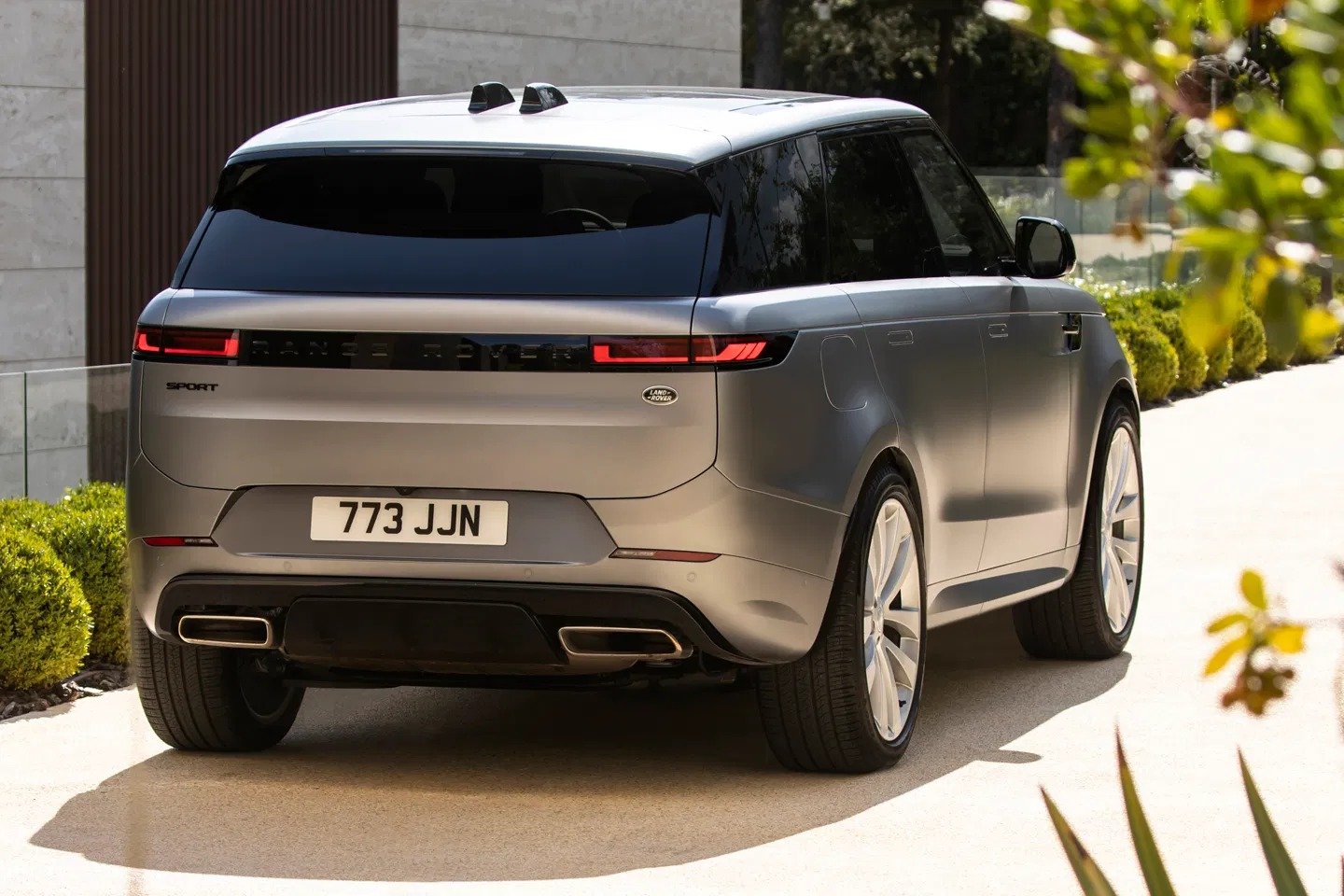
When this article was first published in June 2020, the third-generation Range Rover Sport was a development car, reported to be about 18 months away with a fully electric version in the plan. The finished machine arrived in May 2022, and it kept both promises on timing and technology. Built on Land Rover’s MLA-Flex architecture, the L461 Sport wears the most reductive design in the model’s history: slim LED lights, flush door handles, a full-width black panel across the tailgate and surfacing so clean that the detailing is measured in millimetres. Underneath, the launch range ran from mild-hybrid six-cylinders through two plug-in hybrids to a twin-turbo V8, with the pure-electric version announced to follow in 2024. UK prices started at 79,125 pounds.
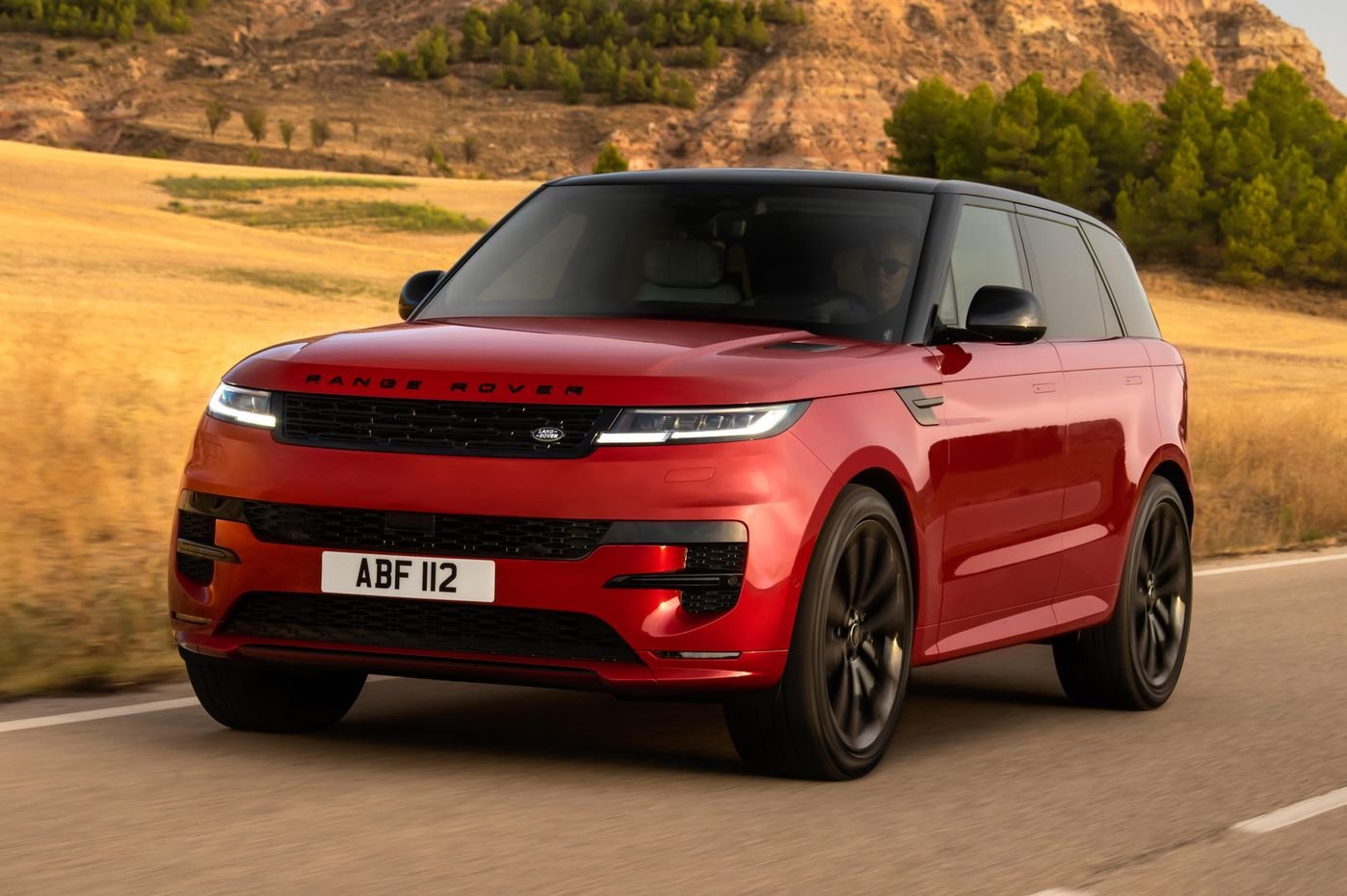
A V8 at the top, and a plug-in hybrid with real range
The flagship at launch was the P530, powered by a 4.4-litre twin-turbocharged V8 producing 530 PS and 750 Nm of torque. With Dynamic Launch engaged it accelerates from 0 to 100 km/h in 4.5 seconds, sports-car territory in a five-seat SUV weighing well over two tonnes. The more forward-looking flagship is the P510e plug-in hybrid, which pairs the 3.0-litre Ingenium six-cylinder petrol engine with a 105 kW electric motor and a 38.2 kWh battery for a system output of 510 PS and 0 to 100 km/h in 5.4 seconds. Its official electric range is up to 113 km on the WLTP cycle, Land Rover itself quoted an expected real-world figure of 88 km, and with the petrol engine’s help the total touring range reaches 740 km. A 440 PS P440e uses the same hardware in a lower state of tune, and below the hybrids sit six-cylinder Ingenium petrol (P360 and P400) and diesel (D250, D300 and D350) mild hybrids. Every version drives all four wheels through an eight-speed automatic gearbox.
Air suspension, rear steering and proper capability
The Sport’s dynamic brief was handled by a Dynamic Air Suspension system with switchable-volume air springs and, in the optional Stormer Handling Pack (standard on the P530 and P510e), Dynamic Response Pro electronic roll control, all-wheel steering and an electronic active differential. The numbers that define a Range Rover are intact: the body is 4,946 mm long on a 2,997 mm wheelbase, towing capacity reaches 3,500 kg on the non-hybrid models, and the maximum wading depth is 900 mm. Against American and Japanese rivals such as the Cadillac Escalade and the Lexus LX 600, the Sport’s argument is that luxury and genuine all-terrain hardware no longer have to be alternatives.
| Generation | Third generation (L461) on MLA-Flex architecture, revealed May 2022 |
|---|---|
| Flagship petrol | P530: 4.4-litre twin-turbo V8, 530 PS, 750 Nm, 0-100 km/h 4.5 s with Dynamic Launch |
| Plug-in hybrids | P510e 510 PS and P440e 440 PS; 38.2 kWh battery, electric range up to 113 km (WLTP), 88 km expected real-world |
| Other engines | 3.0-litre Ingenium six-cylinder mild hybrids: P360 and P400 petrol, D250, D300 and D350 diesel |
| Gearbox and drive | 8-speed automatic, all-wheel drive |
| Dimensions | 4,946 mm long, wheelbase 2,997 mm |
| Capability | Towing up to 3,500 kg; maximum wading depth 900 mm |
| Screens | Pivi Pro with 13.1-inch curved touchscreen |
| SV flagship (2023) | 635 PS twin-turbo V8 mild hybrid, 750 Nm, 0-60 mph 3.6 s, top speed 290 km/h |
| Prices at launch | UK from 79,125 pounds; fully electric version announced at launch to follow in 2024 |
Inside, and the SV that finished the range
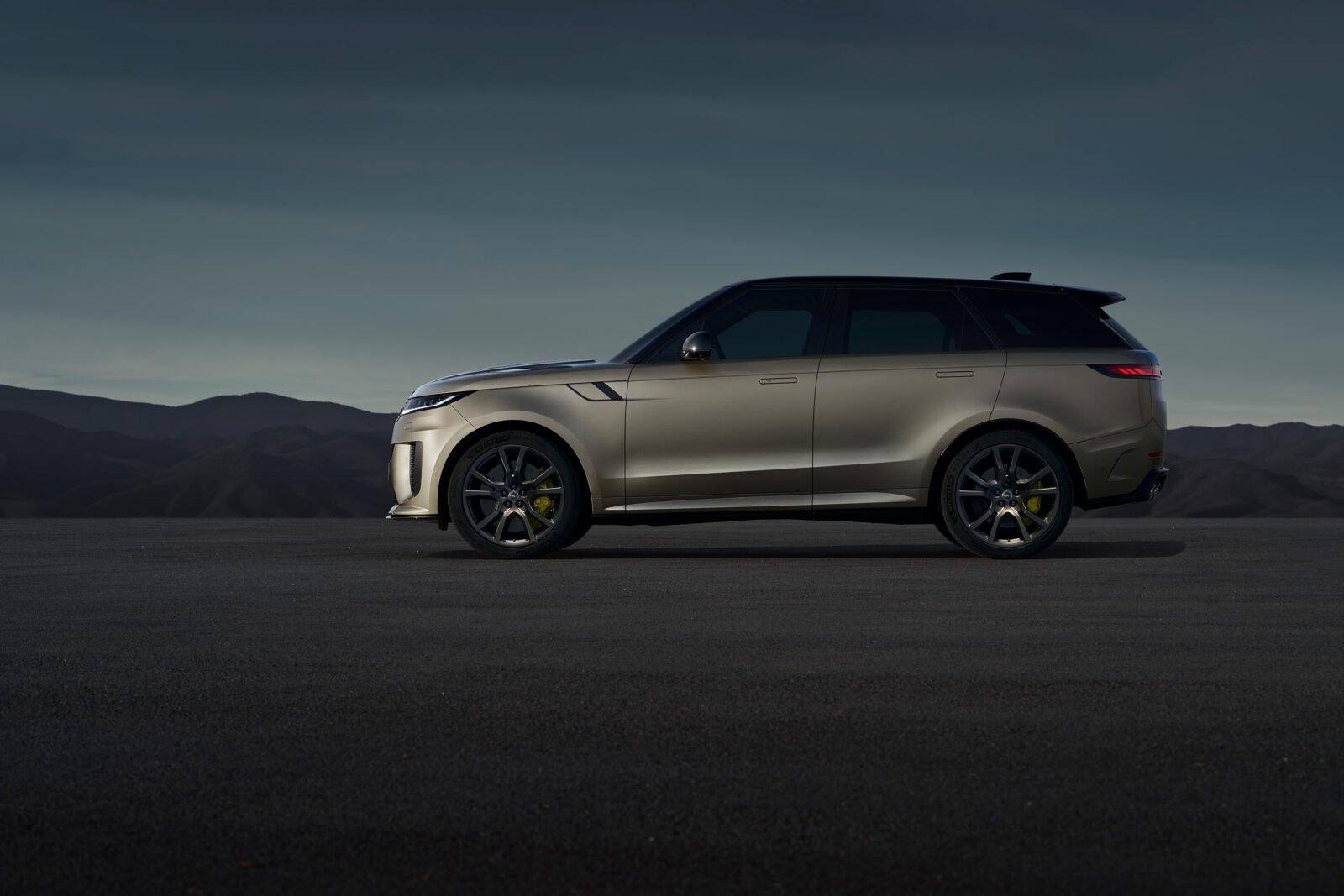
The cabin follows the exterior’s reductive logic, built around Land Rover’s Pivi Pro system on a 13.1-inch curved touchscreen with a digital driver’s display alongside, and trimmed with an emphasis on sustainable materials alongside the traditional leather and wood. A First Edition specification was offered for the first model year. The performance ceiling, though, was set in May 2023 by the Range Rover Sport SV, the successor to the old SVR. Its 4.4-litre twin-turbo V8 gains mild-hybrid assistance for 635 PS and 750 Nm, figures 60 PS and 50 Nm beyond the supercharged V8 it replaced, and Land Rover quoted 0 to 60 mph in 3.6 seconds and a 290 km/h top speed. The SV also debuted the 6D Dynamics suspension, a world-first combination of hydraulically interlinked dampers, height-adjustable air springs and pitch control that does away with conventional anti-roll bars. First-year production was reserved for invited clients in Edition One specification. For buyers who want their luxury SUV with fewer electronics and more mud, the alternative philosophy is embodied by the Ineos Grenadier.
The Sport grows up
The June 2020 reports that preceded this car predicted a sleeker design and an electric version, and both arrived on schedule in spirit: the design is the cleanest ever applied to a Range Rover, and the plug-in hybrids cover most daily driving on electricity while the battery-electric model remained a launch-era promise for 2024. What the spy-era coverage could not predict was the spread of the finished range, from a diesel mild hybrid to a 635 PS SV that out-accelerates many sports cars.
The L461 Range Rover Sport is the model’s most complete iteration: genuinely fast in P530 and SV forms, genuinely useful as an electric car in P510e form, and still rated to tow 3,500 kg and wade through 900 mm of water. Prices that start at 79,125 pounds and climb steeply are the obvious obstacle, and the delayed pure-electric version remains the missing piece of the launch plan. On design, refinement and breadth of ability, though, this is the luxury SUV benchmark of its generation.

