
Best Electric Cars 2027: Top 10 Ranked by Price, Range & Value
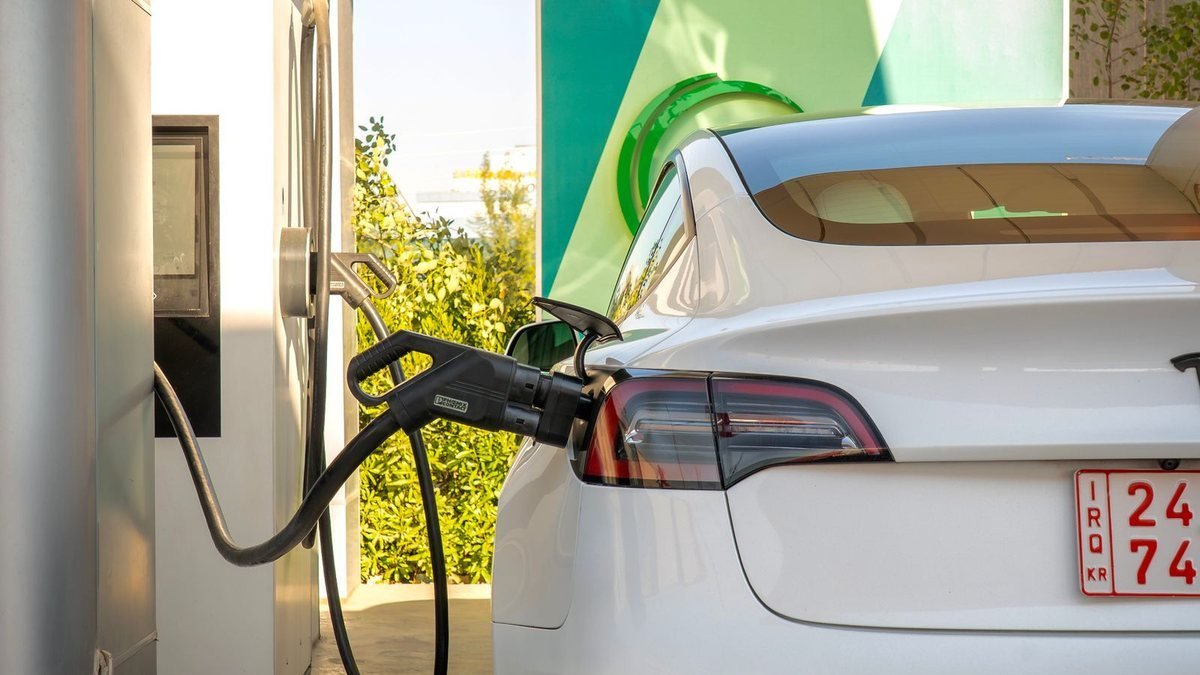
The best electric cars of 2027 start at $28,995 — and for the first time in years, that is the real price. The $7,500 federal EV tax credit ended for vehicles acquired after September 30, 2025, so there is no post-credit math left to hide behind. A car that costs $40,000 now costs $40,000, and the cheapest EVs in America suddenly look a lot more interesting than the expensive ones.
That change is the whole story of this year’s market. The returning Chevrolet Bolt costs less than most gas cars. The new Kia EV3 is the cheapest electric SUV on sale. The BMW iX3 goes an estimated 434 miles on a charge. And most 2027 EVs now plug straight into Tesla’s Supercharger network with a native NACS port, so charging access is no longer a reason to pick one brand over another.
This guide ranks the best electric cars 2027 buyers can actually buy, by what matters most: starting price, EPA-estimated range, charging speed, and value for money. Every price below is the manufacturer’s base MSRP before destination, and every range figure is an EPA estimate unless it is clearly labeled as a manufacturer estimate. Several familiar EVs that look like 2027 cars are not — they are listed separately at the end, so you do not pay 2027 money for a discontinued car.
The 10 Best Electric Cars of 2027 at a Glance
| Rank | Car | Base price* | EPA range (base) | 10–80% fast charge | Best for |
|---|---|---|---|---|---|
| 1 | Chevrolet Bolt | $28,995† | 262 mi | ~25 min | Cheapest EV, period |
| 2 | Tesla Model Y | $39,990 | 321 mi | ~25 min | Best electric SUV overall |
| 3 | Kia EV3 | $29,890 | 221 mi | 29 min | Cheapest electric SUV |
| 4 | Nissan Leaf | $29,990 | 303 mi | ~35 min | Most range under $30,000 |
| 5 | Tesla Model 3 Standard | $36,990 | 321 mi | ~25 min | Best electric sedan |
| 6 | Hyundai Ioniq 5 | $35,250 | 245 mi | ~18 min | Fastest charging |
| 7 | Chevrolet Equinox EV | $35,395 | 319 mi | ~30 min | Best range per dollar |
| 8 | Toyota bZ | $34,980 | 236 mi | ~30 min | Best-value Toyota EV |
| 9 | Rivian R2 | $44,990 | 275+ mi‡ | 29 min | Adventure + awards |
| 10 | BMW iX3 | $61,500 | 383–434 mi‡ | 21 min | Longest range of 2027 |
* Base MSRP before destination unless marked †. † Bolt $28,995 includes the $1,395 destination charge ($27,600 before it). ‡ Rivian R2 and BMW iX3 ranges are manufacturer estimates, not final EPA ratings. The Leaf and Model 3 figures are the current (2026) model-year cars on sale now — Tesla does not badge model years, and Nissan has not announced 2027 US Leaf pricing. 10–80% times are manufacturer claims; ~ marks rounded estimates.
1. Chevrolet Bolt — Best Affordable EV
$28,995 including destination · 262 miles EPA
The Chevrolet Bolt is the cheapest new electric car in America, and it is also Car and Driver’s 2026 EV of the Year. At $27,600 before destination ($28,995 with it), it undercuts every other EV on sale by more than $1,000 — and it does it with 262 miles of EPA range, which is enough for a full week of commuting on one charge.
Why buy it? Nothing else at this price goes this far. The Bolt is a simple, honest car: a hatchback with room for four adults, standard driver-assistance features, and a price that leaves thousands in your pocket compared with the next-cheapest EV. For a buyer who wants an EV and nothing else, this is the default answer.
What to consider: The Bolt is a limited one-year return after a year’s absence, so waiting has a real cost — there may not be a 2028 model to wait for. It is also a small hatchback, not an SUV, and its 150 kW peak charging is slower than the 800-volt cars on this list. Check our cheapest electric cars guide for how the Bolt compares with the other sub-$40,000 EVs.
Best for: First-time EV buyers, commuters, and anyone who wants the lowest possible price of entry.
2. Tesla Model Y — Best Electric SUV Overall
$39,990 · 321 miles EPA (base RWD)
The Tesla Model Y is America’s best-selling EV for a reason, and the refreshed “Juniper” version keeps it at the top. The base rear-wheel-drive car costs $39,990 before destination ($41,630 with Tesla’s $1,390 destination charge and $250 order fee) and carries an EPA-estimated 321 miles of range. Use the EPA number, not the 348 miles Tesla’s own site shows — the EPA figure is the one every other car on this list is measured against.
Why buy it? Range, charging, and software, in that order. The Model Y has the largest fast-charging network in the country built in, the longest-range versions reach 355 miles EPA (Premium RWD), and a new six-seat Model Y L Premium joins the lineup for 2027 at $61,990 with 328 miles of EPA range. No other SUV on this list matches that combination at this price.
What to consider: The base car’s interior is deliberately plain, and Tesla changes prices and trims without warning — confirm the configurator on the day you order. The Ioniq 5 is its closest rival (see #6 below), and our 2026 best electric cars guide has last year’s full ranking for comparison.
Best for: Buyers who want the safest all-round choice — the most range, the easiest charging, and the strongest resale network.
3. Kia EV3 — Best New Affordable SUV
$29,890 · 221 miles EPA (base Light FWD)
The Kia EV3 is the most important new EV of 2027: the cheapest electric SUV in the United States. The base Light trim costs $29,890 before destination ($31,385 with it) and carries 221 miles of EPA range from its 58.3 kWh battery. Step up to the long-range Wind or Land trims and the same car goes 321 miles.
Why buy it? It is an SUV at a hatchback price. The EV3 comes with a native NACS port, so it charges at Tesla Superchargers, and vehicle-to-load (V2L) power is standard on every trim — you can run a laptop, a mini-fridge, or power tools from the car. For families priced out of the $40,000-plus SUV market, this is the first genuinely affordable electric SUV.
What to consider: The base car’s 221-mile range is the shortest in the top 10, and its 400-volt charging peaks at about 128 kW — fine for overnight charging, slower than the 800-volt Kia EV6 on a road trip. If you regularly drive more than 200 miles in a day, the long-range version is the one to buy, and it costs more.
Best for: Families buying their first electric SUV on a tight budget.
4. Nissan Leaf — Most Range Under $30,000
$29,990 · up to 303 miles EPA (2026 S+)
The redesigned Nissan Leaf is the quiet bargain of this list. The S+ trim costs $29,990 and goes up to 303 miles on the EPA cycle — more range than any other car under $30,000, including the Bolt. One honest note: Nissan sells this redesign as a 2026 model in the United States and has not announced 2027 US pricing yet, so these are the confirmed 2026 figures for the car you can buy today.
Why buy it? Range per dollar, and a charging setup that finally makes sense. The new Leaf has a native NACS port on the front fender plus a separate J1772 port for home charging, a liquid-cooled battery (the old air-cooled pack is gone), and vehicle-to-load power up to 1,500 W. It is also the first Nissan with Plug & Charge, so it starts charging at compatible stations without an app or a card.
What to consider: Fast charging tops out at 150 kW, so a 10–80% stop takes about 35 minutes — slower than the Hyundai and Kia 800-volt cars. And because 2027 pricing is unconfirmed, a price rise is possible when the 2027 cars arrive. If you are cross-shopping the Leaf against the Bolt, our cheapest electric cars guide has the full comparison.
Best for: Commuters who want the most miles for the least money and charge at home overnight.
5. Tesla Model 3 Standard — Best Electric Sedan
$36,990 · 321 miles EPA (Standard RWD)
If you do not need an SUV, the Tesla Model 3 Standard is the best electric sedan you can buy in 2027. It costs $36,990 before destination ($38,630 with Tesla’s $1,390 destination charge and $250 order fee) and goes 321 miles on the EPA cycle — the same range as the Model Y, for $3,000 less. It is also the most efficient Tesla on sale, at 139 MPGe combined.
Why buy it? It is the cheapest way into a Tesla, and it does not feel like a compromise where it matters: 0–60 mph in 5.8 seconds, Supercharger access built in, and the longest-range version (Premium RWD) reaches 363 miles EPA — the longest range of any Tesla. For a sedan buyer, the Model 3 is $3,000 cheaper than the Model Y with the same battery and the same charging network.
What to consider: The Standard trim is deliberately stripped down. Since January 2026, new Model 3s ship with Traffic-Aware Cruise Control only — the lane-centering Autosteer feature now sits inside the Full Self-Driving subscription at $99 a month. The Standard also loses the premium audio, ventilated seats, and rear touchscreen. If those matter to you, the Premium RWD is the better buy. The Standard is the cheapest Tesla; our cheapest electric cars guide puts it in context with the other sub-$40,000 EVs.
Best for: Sedan buyers who want maximum range and efficiency for the lowest Tesla price.
6. Hyundai Ioniq 5 — Fastest Charging Mainstream EV
$35,250 · 245 miles EPA (SE Standard Range)
The Hyundai Ioniq 5 is the fastest-charging mainstream EV in America. Its 800-volt architecture takes the long-range battery from 10–80% in about 18 minutes on a 350 kW charger — roughly half the time of most rivals. The base SE Standard Range costs $35,250 with 245 miles of EPA range; the long-range rear-wheel-drive version reaches 318 miles.
Why buy it? Charging speed is the difference between an EV that fits your life and one that does not, and the Ioniq 5 is in a different league here. It also now ships with a native NACS port, so it charges at Tesla Superchargers as well as CCS stations. One honest detail: Superchargers run at 400 volts, so charging through the native NACS port is capped at about 150 kW and takes roughly 30 minutes — the full 18-minute charge needs the CCS adapter on a 350 kW charger.
What to consider: The base car’s 245-mile range is modest for the price, and the long-range version that reaches 318 miles costs more. The Ioniq 5 is also a style-first car — its retro hatchback looks divide opinion, and rear headroom is tighter than in a boxy SUV. Read our electric car charging costs guide before you buy, so you know what home and public charging will actually cost you.
Best for: Road-trippers and apartment dwellers who rely on fast public charging.
7. Chevrolet Equinox EV — Best Range Per Dollar
$35,395 · 319 miles EPA (LT 1 FWD)
The Chevrolet Equinox EV gives you 319 miles of EPA range for $35,395 — more than any other SUV under $40,000 at its base price. The base LT 1 front-wheel-drive car costs $35,395 before destination ($37,195 with it), and for 2027 it gains a native NACS port, so it charges at Tesla Superchargers.
Why buy it? It is a right-sized family SUV with big-car range at a small-car price. The Equinox EV is quiet, comfortable, and roomy in the back seat, and 319 miles means most owners will charge once or twice a week. It is the car to buy if you want the Model Y’s range without the Model Y’s price or its minimalist interior.
What to consider: Chevrolet raised the price by $400 in early November 2026 — the $34,995 figure still quoted on many sites is out of date, so budget for $35,395. Charging peaks at about 150 kW on its 400-volt Ultium platform, so a fast-charge stop takes around 30 minutes rather than the Ioniq 5’s 18. And the base LT 1 is sparsely equipped; most buyers will want at least the LT 2.
Best for: Families who want maximum range for the money in a conventional SUV shape.
8. Toyota bZ — Best-Value Toyota EV
$34,980 · 236 miles EPA (XLE FWD)
The Toyota bZ — renamed from the bZ4X for 2026 and carried into 2027 — is Toyota’s answer to the Equinox EV, and it undercuts it by $415. The base XLE front-wheel-drive car costs $34,980 before destination ($36,575 with it) with 236 miles of EPA range from its smaller 57.7 kWh battery. The long-range XLE FWD Plus, with a 74.7 kWh battery, reaches 314 miles.
Why buy it? Toyota reliability, a familiar dealer network, and a price that beats its closest rival. The bZ now ships with a native NACS port, and Toyota says it was one of America’s best-selling EVs after the 2026 refresh. The long-range version’s 314 miles is the one to buy if you can stretch to it — it turns a short-range car into a genuine road-trip car.
What to consider: The base car’s 236-mile range is the second-shortest in the top 10, and you have to pay for the bigger battery to get the range that matters. Fast charging is capped at 150 kW, so a 10–80% stop takes about 30 minutes. Toyota also notes its range figures use EPA’s preliminary testing procedure — treat them as Toyota’s numbers, not a final EPA certification, until the EPA listing appears. If you are weighing an EV against a cheap gas car, our cheapest new cars guide shows what $25,000 buys.
Best for: Toyota loyalists and buyers who value dealer support and reliability over headline range.
9. Rivian R2 — Best Adventure EV
$44,990 · 275+ miles (Rivian estimate, summer 2027)
The Rivian R2 is the most awarded new EV of 2027 — MotorTrend named it the 2027 SUV of the Year — and the Standard trim starts at $44,990, arriving in summer 2027 with 275 or more miles of Rivian-estimated range. Note the word “estimated”: Rivian’s figure is not an EPA rating yet, so treat it as the company’s claim, not a certified number. A longer-range Standard arrives first, in spring 2027: the RWD Long Range at $48,490, with 350 horsepower and up to 345 miles of Rivian-estimated range.
Why buy it? It is the only car on this list built for the outdoors first. The R2 has a native NACS port, a 10–80% charge in 29 minutes, and MotorTrend picked it over the Model Y, Ioniq 5, and Mach-E in a comparison test on its way to naming it the 2027 SUV of the Year. The Performance Launch Package, already on sale at $57,990 with up to 330 miles of EPA range, shows what the platform can do.
What to consider: The $44,990 Standard is not here yet — summer 2027 — and its range is unconfirmed by the EPA. Rivian is a young company with a small service network compared with Chevrolet or Toyota, so check how far your nearest service center is before you buy. If you need a car now, the Model Y or Equinox EV is the safer choice.
Best for: Outdoor buyers who want a capable, distinctive SUV and can wait until summer.
10. BMW iX3 — Longest Range of 2027
$61,500 · 383–434 miles (BMW estimate)
The all-new BMW iX3, the first car on BMW’s Neue Klasse electric platform, has the longest range of any 2027 EV: BMW estimates 383 miles on standard all-season tires and up to 434 miles with summer tires. It costs $61,500 before destination ($62,850 with it) and pairs that range with 400 kW charging — 10–80% in 21 minutes, or about 185 miles added in 10 minutes.
Why buy it? Range and charging together. No other 2027 EV goes this far and charges this fast, and the iX3 does it with 463 horsepower, a full-width Panoramic Vision display, and bidirectional charging as standard. It also won the Buzz Awards’ Best EV for 2027, beating the R2 and the Volvo EX60.
What to consider: Those range figures are BMW’s own estimates using EPA test procedures — they are not final EPA certification yet, so the certified number could come in lower. The iX3 is also the most expensive car in the top 10, and its 434-mile figure needs summer tires; on the standard all-season tires it is 383 miles, still the best of 2027 but not by as much. If you want a luxury EV for less, the Mercedes CLA 250+ below goes 374 miles EPA for $47,950.
Best for: Buyers who want the longest range and the fastest charging, and will pay for it.
Also Worth a Look
Kia EV6 — $37,900 · 237 miles EPA. The EV3’s bigger brother, and the only car here pairing 800-volt charging (10–80% in about 18 minutes) with a sub-$38,000 base price. The long-range rear-wheel-drive version reaches 319 miles. Kia froze all EV6 prices for 2027.
Subaru Uncharted — $34,995 · up to 308 miles (Subaru estimate). The cheapest Subaru EV and the longest-range one, because the base Premium is front-wheel-drive only — a first for a Subaru EV. The range figure is Subaru’s estimate, not an EPA rating yet.
Subaru Solterra — $38,495 · up to 288 miles (Subaru estimate). The only EV here with standard all-wheel drive on every trim, plus 8.3 inches of ground clearance. The range figure is Subaru’s estimate, not an EPA rating yet.
Ford Mustang Mach-E — $39,995 · EPA rating pending. Every 2027 Mach-E now gets the extended-range 88 kWh battery as standard, and for the first time one starts under $40,000 before destination. Ford has not published the final EPA range yet, so do not plan around a number — the 2026 car managed about 320 miles, and Ford says 2027 will be comparable. A new Trail package ($2,295) adds a lifted suspension and all-terrain tires.
Cadillac Optiq — $49,995 · 317 miles EPA. The luxury pick for buyers who want a quiet, well-finished SUV with a native NACS port for 2027. The performance Optiq-V starts at $67,500 with 0–60 mph in 3.5 seconds.
Mercedes-Benz CLA 250+ — $47,950 · up to 374 miles EPA. The longest EPA-certified range under $50,000, and Edmunds’ top-rated luxury electric car. The 374-mile figure is on the most efficient wheels; on 19-inch wheels it is 317 miles.
Hyundai Ioniq 9 — $58,955 · up to 335 miles EPA. The three-row family pick — Autoblog’s best electric SUV and Edmunds’ top midsize electric SUV. See our best 3-row electric SUVs guide for the full comparison.
Lucid Gravity — $79,900 · up to 337 miles EPA. The luxury three-row SUV with the longest EPA-certified SUV range available: the Grand Touring reaches 450 miles. Its 926-volt architecture charges at up to 400 kW, adding up to 200 miles in under 11 minutes — the fastest charging on this page.
Best EVs Under $35,000 in 2027
Six cars on this list start under $35,000, and they cover every need: the Bolt ($28,995) for the lowest price, the Leaf ($29,990) for the most range under $30,000, the EV3 ($29,890) for the cheapest SUV, the Uncharted ($34,995) for all-weather buyers, the bZ ($34,980) for Toyota loyalists, and the Ioniq 5 ($35,250) — just over the line — for the fastest charging. The Equinox EV ($35,395) is $395 over the line and worth the stretch for its 319 miles. If your budget is $35,000, the right question is not which car is cheapest, but which one gives you the range and charging you will actually use — a $29,890 car with 221 miles can cost you more in time and frustration than a $35,395 car with 319 miles. For the full budget ranking, see our cheapest electric cars guide.
What It Actually Costs to Run One
The fuel saving is real, and it is easy to calculate. Take a driver covering 12,000 miles a year in a car that uses 30 kWh per 100 miles — that is 3,600 kWh of electricity a year.
- Home charging: at the US average residential rate of 18.16 cents per kWh, that costs $654 a year.
- Gas car: AAA’s 2026 study prices fuel at 17.32 cents a mile, which is $2,078 a year for the same 12,000 miles.
- Saving: about $1,424 a year on fuel alone — if you charge at home.
- Public fast charging only: at the national average of 54 cents per kWh, the same driving costs $1,944 a year — almost as much as gasoline.
That last line is the one most buyers miss. An EV is cheap to run when you charge at home overnight; it is barely cheaper than a gas car when you live on public fast chargers. Before you buy, read our electric car charging costs guide and check whether you can charge at home — it matters more than which car you pick.
Fuel is only part of the story, though. AAA puts the average total cost of owning a new car at $12,863 a year, and EVs cost more than gas cars on two lines that matter: insurance runs about $2,070 a year for an electric medium sedan against $1,704 for the gas version, and depreciation is the single biggest ownership cost of all. Our average cost of owning a car guide has the full AAA breakdown, and our car depreciation guide explains why EVs lose value faster than gas cars — about 57% over five years, according to the iSeeCars 2026 study. Get an insurance quote before you buy, not after: our car insurance quotes guide shows how, and how to finance a car covers the loan side — including the new federal loan-interest deduction of up to $10,000 a year for new, US-assembled cars bought in 2025–2028, which imported EVs do not get.
How to Choose the Right EV for You
Start with range, not price. Work out your real daily driving, then add a margin for winter — cold weather cuts range noticeably, so if your longest regular trip is 150 miles, a 220-mile car is fine, but if it is 250 miles, you need 300 miles of rated range, not 240.
Check charging before you buy the car. Home charging is what makes an EV cheap. If you have a driveway or a garage, get a quote for a 240-volt Level 2 charger before you sign anything. If you cannot charge at home, pick a car with fast charging (800 volts, like the Ioniq 5 or EV6) and a native NACS port, and budget for public charging prices — which, as the worked example above shows, can cost nearly as much as gasoline.
Treat the sticker price as the real price. The $7,500 federal credit is gone, so the number on the window is the number you pay, plus destination, tax, and fees. Check your state before you buy: California offers $3,500 off a new EV for first-time buyers, Colorado up to $4,500, New York $500–$2,000, and New Jersey $1,500 — but every program has price caps and conditions, and amounts change. Confirm the current figure on the state’s own site, not a roundup.
Mind depreciation. EVs lose value faster than gas cars — about 57% over five years, against about 42% for the average car. That makes the purchase price only half the cost: a car that holds its value can beat a cheaper rival over five years. Our car depreciation guide has the full numbers.
Check insurance and financing early. EVs cost more to insure — about $2,070 a year for a medium electric sedan against $1,704 for the gas version, per AAA — and your rate depends on your state — our car insurance by state guide shows the cheapest and most expensive states — so get a quote with the car’s exact trim before you buy. Our car insurance quotes guide shows how. On financing, remember the new loan-interest deduction (up to $10,000 a year, new US-assembled cars only) — and if your credit is weak, read our bad credit car loans guide before you visit a dealer.
UK readers, note: every price and range figure in this guide is American (USD, EPA miles). For the UK market — GBP prices, WLTP range, and the Electric Car Grant — see our cheapest electric cars UK guide.
Cars That Are NOT 2027 Models — Don’t Be Fooled
Four familiar EVs look like 2027 cars and are not. Dealers will still have them on the lot, and some will be discounted — but know what you are buying.
- Honda Prologue — discontinued after 2026. Honda is ending Prologue production after the 2026 model year, and after it Honda will have no battery-electric car in its US lineup. Remaining 2026 cars (EX from $39,900, 308 miles EPA) will sell into early 2027, but you are buying a dead model with no successor.
- Volkswagen ID.4 — no 2027 US model. Volkswagen confirmed the ID.4 will only be sold in the US through current 2026 inventory (Pro RWD from $45,095, 291 miles EPA). A successor is planned later, but there is no 2027 car to buy.
- Volvo EX30 — withdrawn from the US after 2026. Volvo ended US EX30 sales after the 2026 model year, citing tariffs and the end of the tax credit. The 2027 car is sold in Canada only. Remaining 2026 cars (Plus from $38,950, up to 261 miles EPA) are the last ones.
- Polestar 3 and Polestar 4 — no US sales from model year 2027. The US Department of Commerce denied Polestar authorization under the Connected Vehicle Rule, so no 2027 Polestar can be sold in the United States. Remaining 2026 inventory (Polestar 4 from $56,400, up to 310 miles EPA) is all there is.
Two more are returning but not yet priced: the Volkswagen ID. Buzz comes back for 2027 after skipping 2026, and the Jeep Wagoneer S returns for 2027 after skipping 2026 — but neither maker has announced a 2027 price or EPA range, so neither makes this list. If a dealer quotes you a price for either one, it is a guess, not a fact.
Frequently Asked Questions
Is the federal EV tax credit gone for 2027?
Yes. The $7,500 new-clean-vehicle credit, the $4,000 used-EV credit, and the commercial and leasing credit all ended for vehicles acquired after September 30, 2025, under the One Big Beautiful Bill Act. The home-charger credit also closed for equipment installed after June 30, 2026. The one new federal benefit is a loan-interest deduction of up to $10,000 a year for new, US-assembled cars bought in 2025–2028 — a deduction, not a credit, so its cash value is only your tax rate times the interest you actually pay.
What is the cheapest electric car you can buy in 2027?
The 2027 Chevrolet Bolt — $28,995 including destination, with 262 miles of EPA range. Next cheapest are the Kia EV3 Light at $29,890 ($31,385 with destination, 221 miles) and the Nissan Leaf S+ at $29,990 (up to 303 miles).
Which 2027 EV has the longest range?
The 2027 BMW iX3, at an estimated 383–434 miles — but BMW’s figures are manufacturer estimates, not final EPA certification. The longest EPA-certified range of any electric SUV is the Lucid Gravity Grand Touring at 450 miles, and the longest-range EV overall is the 2026 Lucid Air Grand Touring at 512 miles.
What is the best electric SUV for 2027?
It depends on your use. The Rivian R2 is MotorTrend’s 2027 SUV of the Year and Edmunds’ top small electric SUV. The Hyundai Ioniq 9 is the best three-row electric SUV, and the Tesla Model Y is still the best all-round choice for range, charging, and value. For the cheapest electric SUV, buy the Kia EV3.
Is an EV cheaper than a gas car to run?
On fuel alone, yes — if you charge at home. At 12,000 miles a year, home charging costs about $654 against about $2,078 for gasoline, a saving of roughly $1,424 a year. But on total ownership it depends: EVs cost more to insure and lose value faster, so a cheap EV is not automatically a cheap car to own. See the worked example above.
How long does it take to charge an electric car?
A standard household outlet takes a day or more for a full charge. A 240-volt home charger does it overnight, typically in 4–10 hours. DC fast charging takes 20–60 minutes for a 10–80% charge, with the fastest cars — the Hyundai Ioniq 5 and Kia EV6 on their 800-volt systems — doing it in about 18 minutes. Cold weather can slow fast charging by 30–50%.
What is the best EV under $40,000 in 2027?
The Chevrolet Bolt ($28,995, 262 miles) is the consensus pick — Car and Driver’s EV of the Year. Other sub-$40,000 cars with 250 miles or more of range: the Nissan Leaf S+ ($29,990, 303 miles), the Kia EV3 long-range versions (up to 321 miles), the Chevrolet Equinox EV LT ($35,395, 319 miles), the Toyota bZ long-range ($34,980, up to 314 miles), the Subaru Uncharted Premium ($34,995, up to 308 miles estimated), and the Tesla Model 3 Standard ($36,990, 321 miles).
Should I wait for a 2027 EV or buy a 2026 model?
There is a real reason to wait for three 2027 cars — the BMW iX3 (434 miles, 400 kW charging), the Rivian R2 Standard ($44,990, summer 2027), and the Volvo EX60 (up to 400 miles EPA) are meaningfully better than the cars they replace. But most 2027 cars are carryovers, and the Bolt is a limited one-year return that may sell out, so waiting has a real cost there. If you find a good 2026 car at a discount, take it — the 2027 version is probably the same car.
Bottom Line
The best electric cars of 2027 reward buyers who shop on the sticker price, because the $7,500 credit is gone and the sticker is now the truth. The Chevrolet Bolt is the cheapest EV in America at $28,995. The Tesla Model Y is the best all-round electric SUV at $39,990 with 321 miles of range. The Kia EV3 is the cheapest electric SUV. The Hyundai Ioniq 5 charges fastest. And the BMW iX3 goes furthest, at an estimated 434 miles. Buy the car that fits your daily driving and your charging situation — not the one with the biggest number on the window sticker — and check your state’s incentive, your insurance quote, and the EPA range before you sign.
Sources & Pricing Note
Prices are manufacturer base MSRPs before destination, tax, and fees unless stated otherwise, as published by the manufacturers in October–November 2026: Chevrolet (Bolt, Equinox EV, Blazer EV), Tesla (Model Y, Model 3), Kia (EV3, EV6), Nissan (Leaf), Hyundai (Ioniq 5, Ioniq 9), Toyota (bZ), Ford (Mustang Mach-E), Rivian (R2), BMW (iX3), Subaru (Uncharted, Solterra), Cadillac (Optiq), Mercedes-Benz (CLA), Lucid (Gravity). Range figures are EPA estimates unless labeled as manufacturer estimates (BMW iX3, Rivian R2, Subaru Uncharted, Toyota bZ preliminary figures). The $7,500 federal credit ended for vehicles acquired after September 30, 2025 (IRS Fact Sheet FS-2025-05, One Big Beautiful Bill Act, P.L. 119-21). State incentive figures are from the states’ own programs as of November 2026 and change frequently — confirm the current amount before you buy. Charging costs use the US average residential rate of 18.16 cents per kWh (EIA, August 2026) and the Q3 2026 national DC fast-charging average of 54 cents per kWh, via our charging-costs guide. AAA figures are from Your Driving Costs 2026 (released September 15, 2026). Depreciation figures are from the iSeeCars 2026 study via our depreciation guide. Prices change without notice — verify the current price on the manufacturer’s site on the day you order.
Last updated: November 2026
About the Author
Written by William, founder and editor of MotorAmaze. He covers electric cars, car prices, and the real cost of owning a car in the United States and the United Kingdom. Read more about him on the MotorAmaze About page.


