
Used Car Buying Checklist: 12 Checks Before You Pay a Dollar
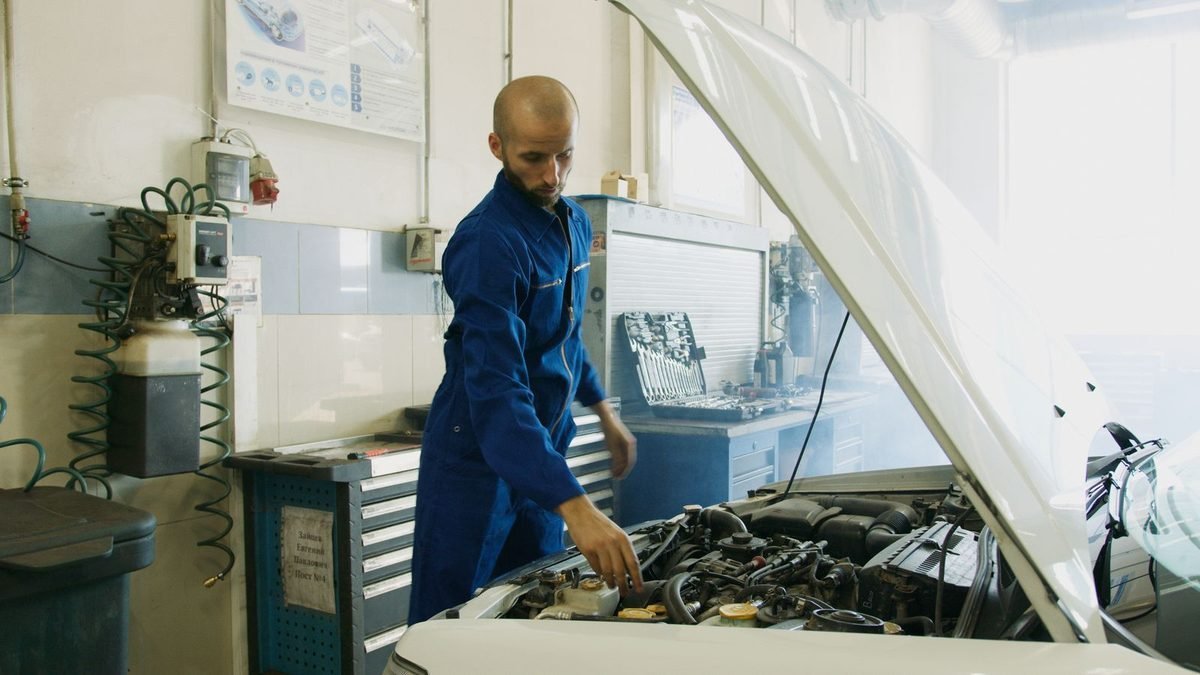
The average used car in America listed for $27,133 in October 2026, according to Kelley Blue Book. The Federal Trade Commission warns that once you sign at a dealer, you usually own the car — including problems that weren’t covered by a warranty — because the FTC’s Cooling-Off Rule does not cover car sales. This used car buying checklist walks you through the 12 checks that matter, in the order that saves you the most money: the paper checks first, then the car itself, then the loan and the contract. Follow it and the worst outcome is usually a wasted afternoon. Skip it and a hidden problem could turn an expensive purchase into an even more expensive mistake.
The used car buying checklist at a glance
| # | Check | Cost | What it catches |
|---|---|---|---|
| 1 | Set your out-the-door budget | Free | Buying more car than you can afford |
| 2 | Get pre-approved before you shop | Free | Dealer-rate markups and payment traps |
| 3 | Check the VIN, title and history | Free–paid | Salvage, flood, stolen and lien titles |
| 4 | Check for open recalls | Free | Unfixed safety defects |
| 5 | Spot flood damage and odometer fraud | Free | Washed titles and rolled-back miles |
| 6 | Inspect the car yourself | Free | Visible wear, leaks, mismatched panels |
| 7 | Test drive on real roads | Free | Transmission, brake and steering problems |
| 8 | Pay your own mechanic to inspect it | $186–$273 | Hidden mechanical problems |
| 9 | Compare dealer, private seller and certified pre-owned | Free | The wrong seller for your risk tolerance |
| 10 | Read the Buyers Guide and the contract | Free | “As is” sales and unwanted add-ons |
| 11 | Check the loan math, not just the monthly payment | Free | Thousands in extra interest |
| 12 | Price insurance before you buy | Free | A premium that breaks the budget |
What used cars cost in 2026
The average used vehicle listed for $27,133 in October 2026, down slightly from September, according to Cox Automotive and Kelley Blue Book — still up 4.9% from a year earlier. Kelley Blue Book notes prices climbed sharply in the spring of 2026 and have held near those higher levels since, so the cheap used car is genuinely scarce: dealers had only a 34-day supply of used cars priced under $15,000 in October, and inventory in that price range was down 19.3% from a year earlier, according to Cox Automotive.
Average new and used prices, October 2026
| What you’re buying | Average price | Source and date |
|---|---|---|
| Used vehicle (average listing) | $27,133 | Cox Automotive / Kelley Blue Book, October 2026 |
| New vehicle (average transaction price) | $51,109 | Kelley Blue Book, October 2026 |
| 3-year-old used vehicle | $32,039 | Edmunds, Q3 2026 |
| 3-year-old used vehicle (iSeeCars study) | $32,651 | iSeeCars, August 2026 |
The average new-vehicle transaction price was $51,109 in October 2026, compared with an average used-vehicle listing price of $27,133. These figures use different measures, but they show how much lower the typical used-car listing is than the typical new-car transaction — which is why most buyers shop used. But the used market’s own prices have risen hard: the average three-year-old car cost $23,624 in 2019 and $32,651 in 2026, a 38% increase in seven years, according to iSeeCars’ study of more than 11.4 million used vehicles. Our average car prices guide tracks these figures every month. The lesson is not to avoid used cars — it is to check the car properly, because at these prices a single hidden repair can wipe out the whole saving.
1. Set your out-the-door budget first
Your budget is the out-the-door price, not the sticker price. The sticker is the starting point; the price you actually pay adds sales tax, registration, title and documentation fees, and often dealer add-ons you never asked for. Decide the total before you look at a single car, and include a cushion for the first repairs — even a good used car usually needs tires, brakes or a battery within the first year.
- Rule of thumb: many budgeting guides suggest keeping the total car payment under 15% of your monthly take-home pay, and keeping the loan as short as you can afford.
- Remember the other costs: registration, insurance, fuel and maintenance are part of owning the car, not extras. The Federal Trade Commission tells buyers to budget for all of them before shopping.
- Keep a repair cushion: $1,000 set aside for early repairs turns a surprise into an inconvenience.
2. Get pre-approved before you shop
A pre-approval from your own bank or credit union is one of the strongest negotiating tools a used-car buyer has. Once you walk in with financing already arranged, the dealer gets a chance to beat your rate instead of setting it. Dealer financing is not automatically bad, but the rate can be marked up, and a low monthly payment is often just a longer loan in disguise.
- Used-car loans are expensive in 2026: Edmunds reports the average used-car buyer paid 10.6% APR in the third quarter of 2026, with an average monthly payment of $582 and an average amount financed of $30,703 over 70.4 months.
- Check your credit first: your rate depends heavily on your score, so check your credit report for errors before you apply — an error on your report can mean a higher rate than you qualify for.
- Compare at least two offers: a bank, a credit union and the dealer’s lender, side by side, on APR and total interest — not on the monthly payment alone.
- Our auto loan calculator guide explains how the payment math works, and our guide to financing a car walks through the whole process.
3. Check the VIN, title and history — free checks first
Start every used-car check with the VIN, and start with the free checks. The VIN is on the dashboard by the windshield and on the driver’s door frame. Make sure the VIN on the car matches the VIN on the title and on every document — a mismatch is a walk-away sign.
- NMVTIS title-history report: visit vehiclehistory.gov to find an approved provider. The report usually costs a fee, and it can show title brands, the latest recorded mileage, salvage history and whether the car was declared a total loss.
- Free stolen/salvage check: the National Insurance Crime Bureau’s free VINCheck shows whether a car was reported stolen and not recovered, or declared salvage — but only if it was insured when the damage happened.
- Paid history report: a commercial report adds accident records, service history and ownership counts. It is worth the money on any car you are serious about — but it is a records check, not a look at the car, so it never replaces an inspection.
- Read the title itself: look for brand words such as salvage, rebuilt, flood, junk or lemon-law buyback. A “washed” title — a branded title reissued clean in another state — is exactly what these checks are for.
4. Check for open recalls — free, two minutes
Type the VIN into NHTSA’s free recall lookup before you pay anything. An open recall means the car has a known safety defect that has not been fixed, and the fix is usually free at a dealer — but only if you know about it. In fact, the check takes two minutes at nhtsa.gov/recalls and covers every manufacturer selling cars in the US. If a recall is open, ask the seller to have it fixed before you buy, or get a written commitment with a date. A seller who will not do that is telling you something.
5. Spot flood damage and odometer fraud
Flood cars and rolled-back odometers are two serious ways a used car can hide its past. The FTC warns that cars damaged by storms are often cleaned up and sold in other states, where buyers never think to look for water damage.
Flood signs to look for:
- Silt, sand or mud under the seats, in the spare-tire well or behind the dashboard
- Rust on seat rails, door hinges and screws that should never get wet
- A musty or mildew smell, or heavy air freshener masking one
- A water line in the trunk or under the carpets, and fogged or cloudy headlights
Odometer fraud signs to look for:
- NHTSA has estimated that more than 450,000 cars are sold each year with false odometer readings. Compare the odometer with the mileage on the title and on the history report, and check oil-change stickers, service records and tire wear — a car showing 40,000 miles with worn-through pedals and bald original tires is lying.
- Above all, mismatched numbers between the title, the history report and the dashboard are a walk-away sign, not a negotiation point.
6. Inspect the car yourself
Walk around the car slowly, in daylight, before you drive it. Most problems a buyer can spot are visible if you actually look. Check panel gaps and paint: uneven gaps or mismatched paint shades usually mean accident repair. Look under the car for leaks and fresh undercoating sprayed over rust. Check all four tires — mismatched brands or uneven wear point to alignment or suspension trouble. Open the hood and check the oil and coolant: milky oil or low coolant can mean serious engine trouble. Test every switch, window, light and the air conditioning. Check the spare tire and jack are present. In fact, none of this needs mechanical skill — it needs ten unhurried minutes, which is exactly what a pushy seller will try not to give you.
7. Test drive on real roads
The FTC says to test drive on hills, on the highway and in stop-and-go traffic — not just around the block. A short, flat loop hides almost everything. Once you are moving, listen for grinding brakes, whining transmissions and clunks over bumps. Check that the car tracks straight with your hands light on the wheel, that the transmission shifts smoothly without jerking, and that the air conditioning blows cold. Turn the radio off and the windows up so you can hear the car. Ask for the service records before or during the drive — a seller with full records is selling a different car than a seller with none. If the seller will not let you drive it properly, walk away.
8. Pay your own mechanic to inspect it
A pre-purchase inspection by a mechanic you choose is the best money in this whole used car buying checklist. The FTC recommends an independent inspection before you buy — and says it is worth getting even if the dealer calls the car “certified,” because a vehicle history report is a records check, not a look at the car.
- What it costs: RepairPal puts a typical pre-purchase inspection at $186–$273 for labor (September 2026). That is about 1% of the average used car’s price.
- What it covers: frame and body, leaks and fluids, tires, brakes and suspension, engine and electrical systems, and a scan for stored fault codes — plus a written report with repair estimates.
- Why it pays: a $200 inspection that finds a $2,500 transmission problem is a $2,300 saving. An inspection that finds nothing buys you the confidence to pay the asking price.
- Pick the mechanic yourself. If the dealer will not let the car leave the lot, the FTC says to use a mobile inspection service that comes to the dealer, or ask the dealer to bring the car to a facility you choose. A seller who refuses any inspection is giving you your answer.
- Use the report to negotiate. A written list of needed repairs with costs is the strongest bargaining tool there is — or the reason to walk away.
9. Dealer, private seller or certified pre-owned?
Where you buy decides what protection you get. There is no single right answer — it depends on your budget and your tolerance for risk.
| Seller | Price | Protection | Best for |
|---|---|---|---|
| Franchised dealer | Highest | Buyers Guide, possible warranty, financing on site | Buyers who want warranty and convenience |
| Independent dealer | Mid-range | Buyers Guide required, warranty varies | Buyers who shop carefully and inspect |
| Private seller | Lowest | Almost none — usually sold “as is” | Experienced buyers with a mechanic on call |
| Certified pre-owned (CPO) | Usually carries a premium | Manufacturer inspection + extended warranty | Buyers who want near-new peace of mind |
What each seller type means for you
- Dealers covered by the FTC Used Car Rule — generally those selling more than five used cars a year — must display the FTC Buyers Guide on every used car they offer (see step 10). Maine and Wisconsin are the exceptions: they use their own similar rules instead.
- Private sellers do not have to post a Buyers Guide, and most private sales are “as is” — the same history, recall, test-drive and inspection checks apply, and matter even more.
- Certified pre-owned costs more because the manufacturer inspects the car and adds warranty coverage. Compare the CPO premium against the cost of the same car plus an inspection and a third-party warranty — sometimes the CPO car wins, sometimes it does not.
- In the UK, meanwhile, the equivalent checks are the free MOT history checker on GOV.UK, an HPI check for outstanding finance or a stolen marker, and the Consumer Rights Act 2015, which gives you a 30-day right to reject a faulty car bought from a dealer.
10. Read the Buyers Guide and the contract
The Buyers Guide on the window is part of your contract — read it before you sign anything. Dealers covered by the FTC Used Car Rule must display it on each used car they offer for sale, and give you a copy showing the final terms at the sale. It tells you whether the car is sold “as is” or with a warranty, what percentage of repair costs the dealer will pay, and which systems are covered. The FTC says the Guide overrides your sales contract on warranty coverage: if the Guide promises a warranty and the contract says “as is,” the dealer must honor the warranty.
What to watch before you sign
- “As is” generally means the dealer won’t cover repairs after the sale. State laws differ, though, and some states restrict or prohibit “as is” sales. Buy an “as is” car only after your own inspection.
- Watch the add-ons. Gap insurance, VIN etching, rustproofing, paint protection and extended service contracts are optional — and often added to the paperwork without a clear yes from you. Decline what you do not want, and check the final numbers line by line.
- Get promises in writing. Spoken promises are difficult to enforce; a negotiated warranty change must be shown on the Buyers Guide, and any other promise — a repair, for example — should be written into the contract.
- Get the out-the-door price in writing before you visit. The FTC recommends asking for out-the-door prices in writing from dealers before you go — it confirms the car is actually there and exposes fees added late.
- There is no cooling-off period. The FTC’s Cooling-Off Rule does not cover car sales at a dealer lot. Once you sign, you usually own it — which is why every check above happens before the signature, not after.
11. Check the loan math, not just the monthly payment
A low monthly payment usually means a longer loan and a higher rate — and thousands more in interest. The worked example below uses the real average used-car loan terms from the third quarter of 2026: 10.6% APR (Edmunds). We finance $22,500 — a $25,000 car with 10% down — at that rate:
| Loan term | Monthly payment | Total interest paid |
|---|---|---|
| 36 months | $732 | $3,865 |
| 60 months | $485 | $6,584 |
| 72 months | $424 | $8,004 |
Stretching the loan from 36 to 60 months cuts the payment by $247 a month — but costs $2,719 more in interest, and leaves you owing money on an older car for two extra years. Stretching to 72 months costs $4,139 more than the 36-month loan. The average used-car buyer in Q3 2026 actually took a 70.4-month loan and paid $582 a month on $30,703 financed — and a record 6.5% of used-car buyers committed to $1,000 or more a month. Shorter is cheaper, every time. If your credit is weak, our bad-credit car loans guide explains how to get approved without overpaying, and our auto loan calculator guide lets you run your own numbers before you sign.
12. Price insurance before you buy
Get an insurance quote on the exact car before you buy it — the premium can break an otherwise affordable deal. Full coverage on the average American car costs about $2,495 a year ($208 a month), according to ValuePenguin’s 2026 data, but the real number depends on the car, your age, your record and your state — the cheapest state averages $128 a month and the most expensive $335. A sports car or a luxury badge can push the quote far higher on the same budget. Our car insurance by state guide shows what drivers pay in every state. Finally, add the quote to your first-year costs: insurance, registration, tax and that $1,000 repair cushion from step 1. Our average cost of owning a car guide puts the whole first year together.
Red flags: walk away when you see these
Some problems are negotiation points. These are not. Walk away — politely, immediately — if you see any of them:
- The seller will not let your mechanic inspect the car
- The VIN on the car does not match the title or the history report
- The title is branded salvage, flood or rebuilt and the seller did not disclose it
- The odometer reading conflicts with the title or the history report
- The seller pressures you to sign today, or the price changes when you arrive
- The car has no service records and a story that keeps changing
- Fresh undercoating hiding rust, or new carpet and heavy air freshener in an old car
A good car at a fair price will still be there tomorrow. A bad car with a pushy seller will cost you for years.
How to choose the right used car
The sweet spot for most buyers is a 3- to 5-year-old car with a full service history. It has already taken its biggest depreciation hit — a car often depreciates substantially in its first three years — but it still has modern safety equipment and years of reliable life left. Cars bought used in 2026 averaged 11.6 years old, according to Experian, so buyers are stretching further into older cars than ever; that makes the inspection in step 8 more important, not less.
Reliability, fit and the new-car comparison
- Pick reliability first, features second. A car with a strong reliability record and cheap parts beats a flashier car with expensive repairs. Check model-specific reliability and recall history before you fall in love with one car.
- Match the car to your life. Commuters need fuel economy and comfort; families need space and safety ratings; snowy states need all-wheel drive and good tires. Our best electric cars guide is worth a look if you are considering a used EV — but check battery health and cold-weather range first; our EV range in winter guide explains what cold does to range.
- Compare new before you commit. At today’s prices, the gap is smaller than it looks: according to Kelley Blue Book’s September 2026 figures, the average new compact car sold for $27,977 — barely $1,000 more than the average used-car listing. That is an illustrative comparison, not an apples-to-apples one: it sets a new compact’s transaction price against listings for used cars of every size. Still, if the used car you want is only slightly cheaper than a comparable new one, the new car’s warranty and financing may be the better deal. Our cheapest new cars under $25,000 guide shows what is available new at used-car money.
- Depreciation is your friend when buying used — and your enemy when selling. Our car depreciation guide shows which cars hold value and which fall fastest, so you can buy the ones that already fell.
FAQ
What should I check first when buying a used car?
Check the VIN, title and history first — they cost little or nothing and they kill bad deals before you spend money on an inspection. Then check open recalls at NHTSA, test drive the car on real roads, and pay your own mechanic to inspect it before you sign.
How much does a pre-purchase inspection cost?
RepairPal puts a typical pre-purchase inspection at $186–$273 for labor. It is the best money in the buying process: a $200 inspection that finds a $2,500 problem saves you $2,300.
Sales, prices and problem cars
Should I buy a used car “as is”?
Only after your own mechanic has inspected it. “As is” generally means the dealer pays for no repairs after the sale, and the FTC’s Cooling-Off Rule does not cover dealer car sales — once you sign, you usually own the car and its problems. State laws differ, and some states restrict or prohibit “as is” sales.
What is the average price of a used car in 2026?
The average used vehicle listed for $27,133 in October 2026, according to Cox Automotive and Kelley Blue Book — down slightly from September, and up 4.9% from a year earlier.
How do I check if a used car has been in a flood?
Look for silt or sand under the seats and in the spare-tire well, rust on seat rails and door hinges, a musty smell, a water line in the trunk, and fogged headlights. Then run the NICB’s free VINCheck, and check the title history through an NMVTIS-approved provider at vehiclehistory.gov — that report costs a small fee.
Sellers, loans and returns
Is it better to buy a used car from a dealer or a private seller?
Dealers cost more, but those covered by the FTC Used Car Rule must display the FTC Buyers Guide, and they may offer a warranty; private sellers are cheaper but almost always sell “as is” with no protection. Either way, run the same checks — history, recalls, test drive and an independent inspection.
What is a good APR on a used car loan in 2026?
The average used-car buyer paid 10.6% APR in the third quarter of 2026, according to Edmunds. Borrowers with strong credit generally pay well below that average — so your credit score and a pre-approval from your own bank matter more than the dealer’s offer.
Can I return a used car after buying it?
Usually not. There is no cooling-off period for car sales at a dealer, and most private sales are final. A few states have limited used-car lemon laws, but most cover new cars only — check your state attorney general’s office before you buy, not after.
Bottom line
A used car can be excellent value — if you check it before you pay. The average listing is $27,133, the average loan runs 10.6% APR, and the protection after you sign is close to zero. So do the paper checks first: VIN, title, recalls. Spend $200 on your own mechanic. Get pre-approved, read the Buyers Guide, and judge the loan by its total interest, not its monthly payment. Do those twelve things and you will either buy a good car with confidence — or walk away from a bad one with your money still in your pocket. That is what this used car buying checklist is for.
Sources & Pricing Note
Prices and figures in this guide were checked against primary and authoritative sources at draft time (20 November 2026): average used-vehicle listing price $27,133 (October 2026) and average new-vehicle transaction price $51,109 (October 2026) — Kelley Blue Book / Cox Automotive; 3-year-old used-vehicle price $32,039 — Edmunds Q3 2026; used-car loan terms (10.6% APR, $582 average payment, $30,703 average amount financed, 70.4-month average term, 6.5% of buyers at $1,000+/month, an all-time high for used-car buyers) — Edmunds Q3 2026 analysis; average used-car payment $548 and 68-month term, used vehicles averaging 11.6 years old — Experian’s separate estimate (preliminary Q3 2026 data presented at its November 2026 automotive symposium); iSeeCars 3-year-old average $32,651 — iSeeCars study of 11.4 million used vehicles, August 2026.
Buyers Guide rules, “as is” meaning, cooling-off rule and inspection guidance — Federal Trade Commission, “Buying a Used Car From a Dealer” (consumer.ftc.gov); NMVTIS title-history reports and approved providers — vehiclehistory.gov (U.S. Department of Justice, Bureau of Justice Assistance); odometer-fraud estimate (450,000+ cars a year) — NHTSA, via FTC; pre-purchase inspection cost $186–$273 — RepairPal, September 2026; full-coverage insurance average $2,495/year — ValuePenguin 2026, via our state insurance guide; UK checks — GOV.UK MOT history and the Consumer Rights Act 2015. Loan worked example calculated from the Edmunds 10.6% APR figure: $22,500 financed, 36 months $732/month ($3,865 interest), 60 months $485/month ($6,584 interest), 72 months $424/month ($8,004 interest). Prices exclude taxes, title and registration fees, and vary by state, model and condition — verify the price of the exact car you are buying before you sign.
Last updated: November 2026
About the Author
Written by William, founder and editor of MotorAmaze. William covers car buying, financing and ownership costs for American drivers, and every guide on this site is checked against manufacturer, government and industry sources before publication. Read more about him at https://motoramaze.com/about/.


